


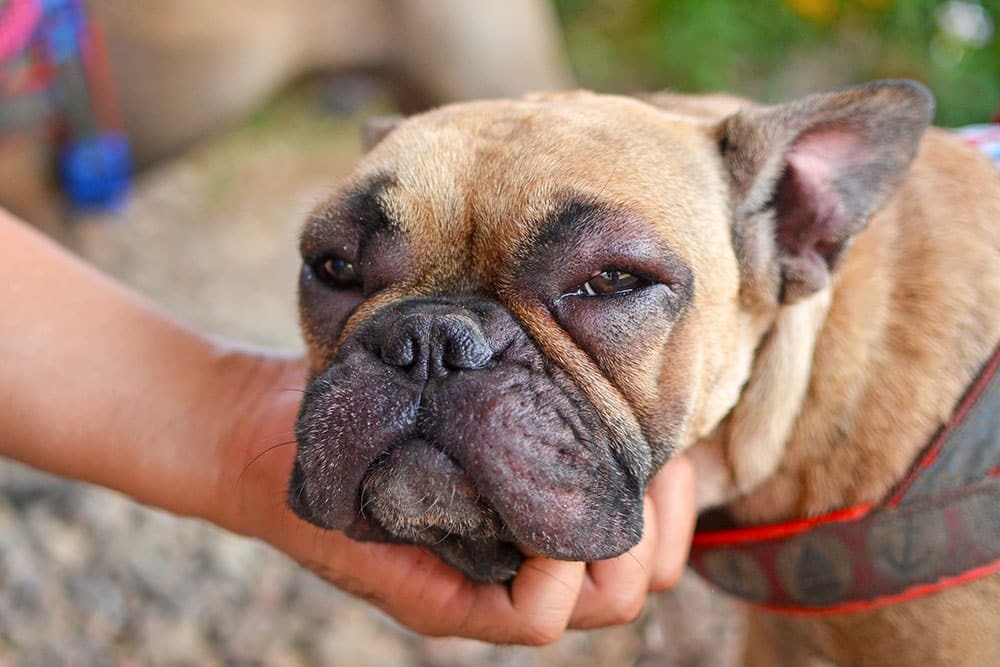
One minute your dog is happily sniffing through the yard, and the next their face looks like a balloon. Or your cat comes inside from the porch and won’t stop rubbing their eyes. Sometimes allergic reactions in pets are mild and pass on their own. Other times, they escalate fast, and figuring out the difference in the moment can feel impossible. The short version: if your pet is having trouble breathing, has severe facial swelling, or seems suddenly weak or disoriented, that’s an emergency. Anything involving just itching, mild hives, or a little puffiness can usually be monitored, but it’s always worth a call to be safe.
At Milford Animal Hospital, our AAHA-accredited team handles allergic reactions from mild skin flares to full-blown emergencies. Whether your pet needs same-day care or a long-term allergy management plan, we’re here to help. If symptoms are getting worse right now, call us immediately. For less urgent concerns, schedule an appointment and we’ll get you in.
How Do You Know When an Allergic Reaction Is Serious?
If your pet has sudden swelling, hives, or any trouble breathing, treat it as urgent and call your vet right away. Mild itchiness and a few bumps can usually be watched at home, but anything that changes rapidly, especially breathing or energy level, needs same-day care.
Allergic reactions range from annoying skin bumps to life-threatening anaphylaxis, and the hardest part is deciding whether to wait it out or get in the car. When in doubt, call. Severe reactions can go from “that looks weird” to genuinely dangerous in under an hour. Consistent preventive care helps catch allergy patterns before they become emergencies, so if allergies are recurring for your pet, our wellness plans can help you stay ahead. If symptoms involve breathing or your pet seems to be declining, visit us for emergency care or head to your closest emergency vet.
What Actually Triggers Allergic Reactions in Pets?
Allergies happen when the immune system overreacts to something harmless, like pollen, a food ingredient, or an insect sting. The reaction can show up on the skin, in the gut, or in the respiratory system, and how severe it gets depends on the pet and the trigger.
Common culprits include:
- Environmental allergens: pollen, dust mites, mold, grasses, and leaf litter
- Food proteins: chicken, beef, dairy, wheat, or soy
- Medications: certain antibiotics, pain relievers, or (rarely) vaccine components
- Bites and stings: bees, wasps, spiders, fire ants, and flea saliva, which is one of the most common triggers
Living in the Milford, PA area adds some specific considerations. Spring and fall bring heavy pollen counts, damp basements and wooded surroundings encourage mold, and hiking near streams or wooded trails means more exposure to stinging insects. A year-round prevention plan goes a long way. Our wellness plans are tailored to local allergy patterns and your pet’s individual lifestyle.
What’s the Difference Between Hives and Anaphylaxis?
This is an important distinction because one is uncomfortable and the other is dangerous.
Hives are raised, itchy bumps caused by histamine release in the skin. Your pet might have facial swelling, red eyes, or itchy patches, but they’re usually still alert and responsive. Hives look alarming, but most pets handle them without major complications.
Anaphylaxis is a whole different situation. It’s a rapid, whole-body reaction that can affect breathing, blood pressure, and heart function. It can start with vomiting or sudden weakness and progress to airway swelling and shock. Anaphylaxis in dogs and anaphylaxis in cats often shows as sudden collapse, pale gums, or wheezing.
When a pet arrives in anaphylaxis, our team triages immediately with oxygen support, IV access, and digital imaging to assess the airway and chest when needed.
Which Allergy Symptoms Should You Never Ignore?
Some symptoms can wait until morning. Others can’t. Here’s how to tell the difference.
Get to a vet immediately:
- Struggling to breathe or breathing with effort
- Open-mouth breathing in cats (cats should almost never pant)
- Collapse, extreme weakness, or fainting
- Pale or blue-tinged gums
- Severe facial or throat swelling
Get seen today:
- Repeated vomiting or diarrhea
- Significant swelling around the eyes or muzzle
- Sudden, extreme lethargy
Monitor at home (but watch closely):
- Mild itching, scratching, or paw licking
- A few small hives
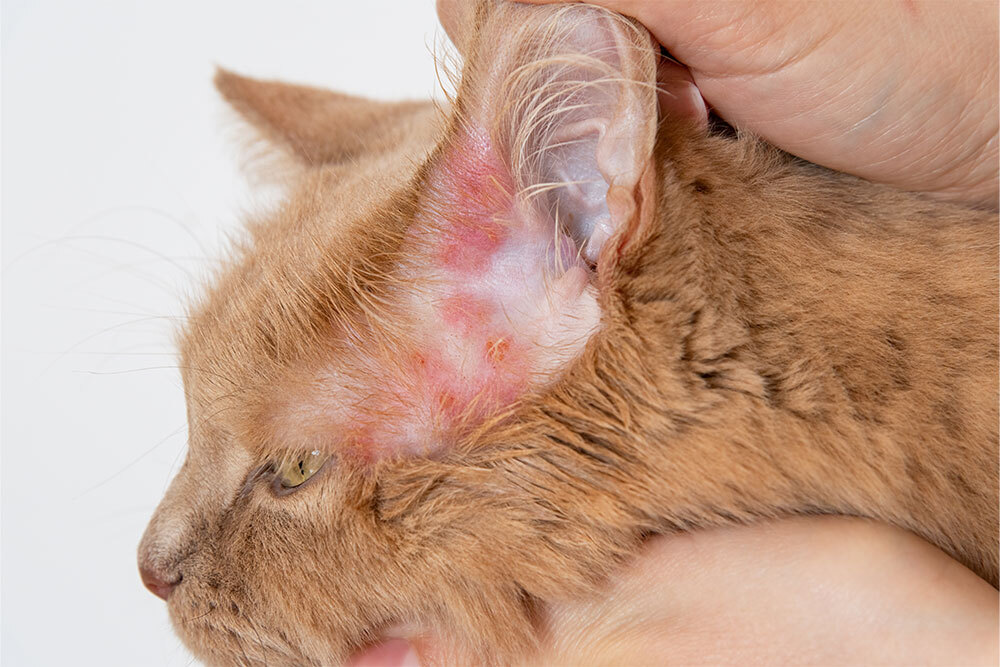
- Typical allergy symptoms like ear irritation or watery eyes
If any “call today” symptoms start moving toward the “get there now” category, don’t wait. Our emergency care team is equipped for rapid assessment and treatment.
What Can You Do at Home During an Allergic Flare?
While you’re deciding whether your pet needs to be seen, a few calm steps can help.
Start by removing the suspected trigger. If your pet was outside, bring them in. If they got stung, move away from the area. A cool water rinse can help wash off pollen or surface irritants. Keep your pet quiet and cool, since stress and heat can make swelling worse. If they’re scratching at their face, an Elizabethan collar protects the skin from further damage.
Before you call or head in, jot down when symptoms started, what your pet was exposed to, any new foods or medications, and how things have changed. Photos help too. This kind of information helps us tailor treatment fast.
What Happens When You Bring a Pet in for an Allergic Emergency?
If your pet is in distress, here’s what to expect when you walk through the door:
- Triage: We assess breathing, heart rate, and blood pressure right away. Oxygen support and IV access are started if needed.
- Medications: Antihistamines and corticosteroids address swelling and itching. Anti-nausea medication helps if vomiting is part of the picture.
- Fluids and oxygen: IV fluids support blood pressure; supplemental oxygen opens things up if the airway is compromised.
- Epinephrine: Reserved for severe anaphylaxis or significant airway swelling, reversing dangerous reactions fast.
- Diagnostics: In-house labs and digital imaging help rule out complications or assess the airway.
- Monitoring: Some pets head home the same day. Others need a few hours of observation until we’re confident they’re stable.
If your pet is in distress right now, contact us or come in for emergency care immediately.
How Do You Prevent Allergic Reactions From Happening Again?
Once you’ve been through one scary allergy episode, the goal is making sure it doesn’t happen again, or at least catching it earlier if it does.
Everyday prevention strategies:
- Skin care: Routine baths and regular grooming remove pollen and dander before they cause trouble
- Parasite control: Flea saliva is one of the most common allergy triggers. Flea allergy dermatitis causes intense itching and skin damage, and staying consistent with year-round parasite prevention is the best defense
- Routine skin and ear checks: Catching a flare early is always easier (and cheaper) than treating a full-blown crisis
- Emergency preparedness: For pets with a history of severe reactions to insect stings or other triggers, keeping injectable epinephrine at home can be a lifesaver. Talk to us about whether this makes sense for your pet and how to use it safely.
Advanced allergy management:
For pets dealing with chronic or recurring allergies, we can go beyond basic prevention. Allergy testing through blood work or intradermal skin testing identifies specific triggers, and immunotherapy gradually retrains the immune system to reduce reaction severity over time. For day-to-day itch relief, medications like Apoquel and Cytopoint target the itch cycle without the side effects of long-term steroid use. We build prevention into your pet’s regular care through our wellness plans, with parasite control, skin monitoring, and a schedule that matches your pet’s risk factors.
Can Diet and Home Changes Help With Allergies?
Absolutely. Food sensitivities are more common than most owners realize, and small environmental tweaks can make a noticeable difference.
If food allergies are suspected, a veterinary-guided elimination diet trial is the gold standard. This means feeding a novel protein or hydrolyzed diet for 8 to 12 weeks with no treats, table scraps, or flavored medications on the side. If symptoms improve during the trial and return when the original diet is reintroduced, that confirms a food allergy. Make one change at a time and track what you see so real patterns are easy to spot.
Around the house, HEPA vacuuming, frequent hot-water washes for pet bedding, and keeping humidity between 30 and 50 percent all help control dust and mold. Topical therapies for allergic skin containing omega fatty acids can improve skin barrier function and reduce itching between flares. Gentle, regular ear cleaning with veterinary-approved solutions prevents secondary infections that tend to ride along with allergies. If you have questions about nutrition or testing, send them through our contact us form and we’ll help you figure out the right next step.
What About Reactions to Vaccines or Medications?
True allergic reactions to vaccines are uncommon, but it’s good to know what’s normal and what isn’t. A little sleepiness or mild soreness at the injection site is expected. Vomiting, diarrhea, hives, or breathing trouble after a vaccine or new medication should be reported right away.
If your pet has a history of reactions, we can pre-medicate and adjust the vaccine schedule. Monitor closely for 24 to 48 hours after any vaccination. Sudden swelling, collapse, or breathing changes should always be treated as urgent. Our AAHA accreditation reflects how seriously we take personalized vaccine planning for every patient.
Frequently Asked Questions
Can I give my pet Benadryl during an allergic reaction?
It’s always best to call your vet before giving any medication. Dosing varies by species and weight, and some antihistamines that are safe for dogs can be harmful to cats.
How quickly can anaphylaxis happen?
Within minutes. Reactions can progress from mild swelling to breathing difficulty very rapidly, which is why any sudden change in breathing or energy level should be treated as an emergency.
Will my pet’s allergies get worse over time?
They can. Some pets develop sensitivities to more triggers as they age, which is why building a prevention plan now helps reduce future episodes.
Should I keep an EpiPen at home for my pet?
Talk to your vet. Some pets with a history of severe reactions benefit from having injectable epinephrine on hand, but dosing and administration need to be discussed and demonstrated first.
You Don’t Have to Figure This Out Alone
Allergic reactions range from mild itching to life-threatening emergencies, and it’s completely normal to feel rattled when your pet is the one going through it. The most important thing is knowing when to act: breathing trouble, collapse, severe swelling, or rapid changes always warrant immediate care.
We’re here to help you make confident decisions and bring your pet relief. Contact us for guidance and our team will support you every step of the way.




Leave A Comment