



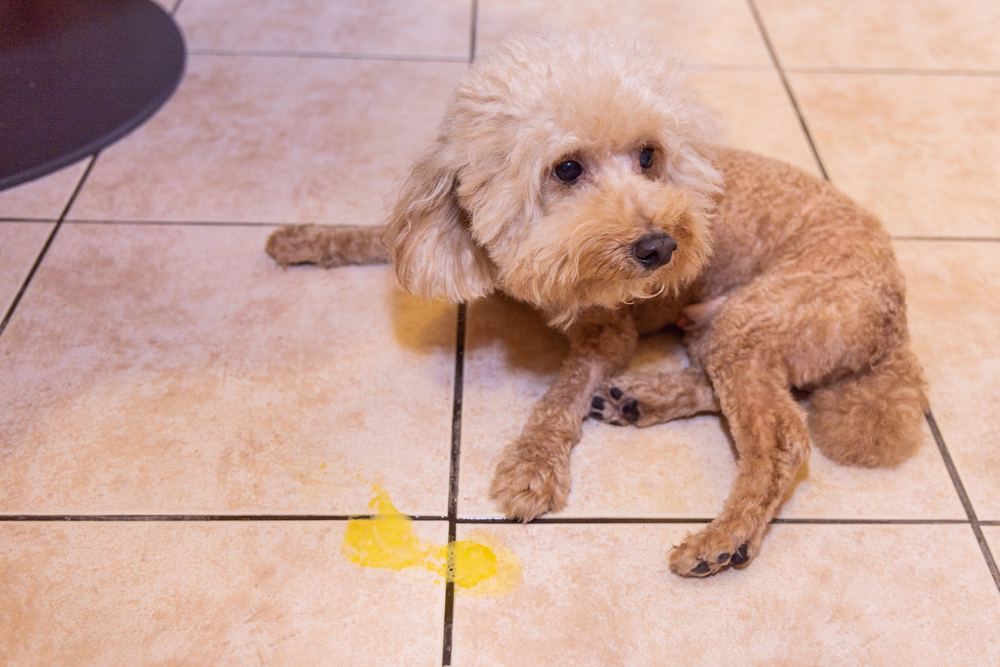
When vomiting becomes a regular feature of life with a pet, it’s tempting to start treating it as normal. You clean up the mess, keep an eye on things for a day or two, and hope it doesn’t happen again. But consistent or recurring vomiting is the GI tract’s way of flagging that something isn’t working the way it should, and the causes span a wide range, from food sensitivities that respond well to a simple diet change to inflammatory conditions that require biopsy to diagnose accurately. Skipping steps in the diagnostic process, or jumping to treatment without a clear diagnosis, often means addressing the wrong problem and watching symptoms return. The most efficient path from vomiting to answers is a structured workup that follows the evidence.
Milford Animal Hospital is an AAHA-accredited practice in Milford, PA, with endoscopy services that allow minimally invasive evaluation of the GI tract without the recovery burden of open surgery. Our “360 Degrees of Care” philosophy means we stay involved through every stage of the diagnostic process, from initial bloodwork to biopsies and beyond. Contact us to establish care and begin a proper evaluation for a pet who keeps vomiting.
When Should You Stop Waiting It Out?
Not every episode of vomiting needs a veterinary workup. A cat who occasionally produces a hairball or a dog who eats grass and brings it back up is doing something familiar and usually benign. Chronic vomiting is different. It means vomiting that happens multiple times per week, persists for more than two to three weeks, or keeps returning after it seemed to resolve.
What the Appearance and Frequency of Vomiting Can Tell You
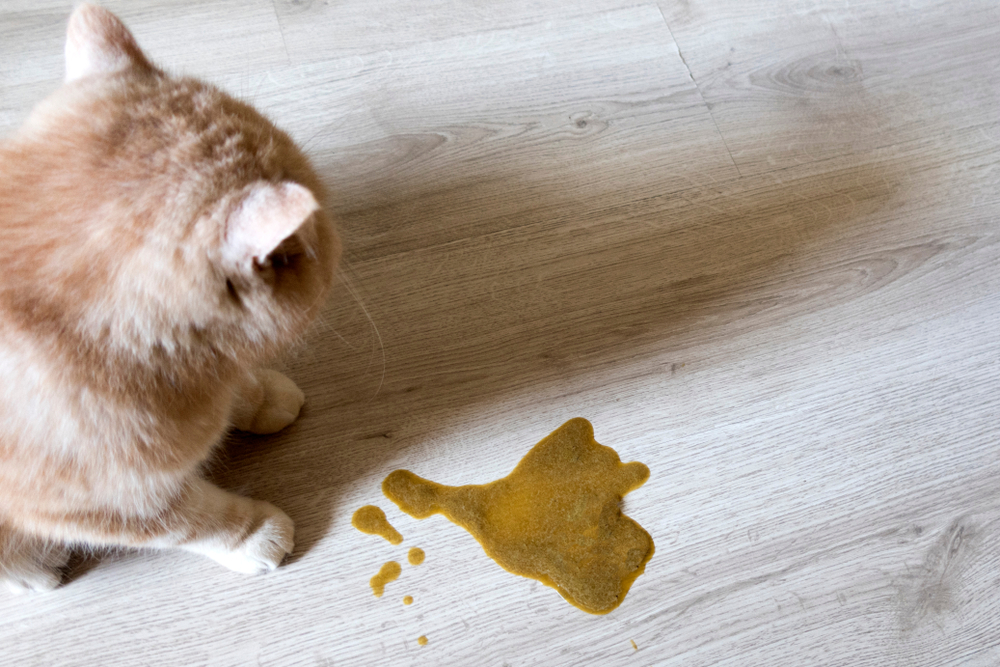
Not all vomiting tells the same story. The appearance of vomit can point toward where in the GI tract the problem originates before testing even begins, so it is worth paying attention to what comes up and keeping a note of timing and frequency.
A few patterns worth knowing:
- Yellow or green bile: Often seen in the early morning before eating, this typically signals bile or stomach acid accumulating overnight. It can point toward bilious vomiting syndrome, an empty stomach, or motility dysfunction.
- Undigested food shortly after eating: This may actually be regurgitation rather than true vomiting. Megaesophagus causes regurgitation rather than true vomiting, a distinction that matters for diagnosis and management since the two have entirely different causes and treatments.
- Dark or coffee-ground material: Suggests digested blood in the stomach and warrants prompt evaluation.
- Bright red blood: Points to active bleeding in the upper GI tract and is always a reason to come in the same day.
- Foamy white liquid: Often linked to an empty stomach or acid irritation, but in dogs with unproductive retching and a distended abdomen, it can be an early warning sign of bloat.
If you can, bring photos. It genuinely helps, and yes, we have seen it all.
Signs That Warrant a Veterinary Evaluation
Warning signs that push this from “watch it” to “evaluate it now”:
- Vomiting more than once or twice per week over multiple weeks
- More than one hairball per month in cats
- Weight loss that isn’t explained by a diet change
- Low energy or significant behavioral changes
- Blood in the vomit, including dark material that resembles coffee grounds
- Concurrent diarrhea, especially if it also contains blood
- Visible abdominal discomfort or sensitivity when touched
- Increased thirst or urination alongside vomiting
- Vomiting in an older pet, where senior pet health considerations expand the list of likely causes significantly
Any of these alongside recurring vomiting warrants prompt evaluation rather than a wait-and-see approach. We are open six days a week and accommodate urgent cases during business hours.
When Vomiting Is an Emergency
Some situations call for same-day emergency care rather than a scheduled appointment. Go directly to an emergency facility or call us immediately if your pet is:
- Vomiting blood or producing dark, coffee-ground material
- Showing abdominal sensitivity, a hunched posture, or a visibly distended abdomen
- Retching repeatedly without producing anything, especially in large-breed dogs- this can be an early sign of bloat, which is life-threatening
- Unable to keep water down
- Severely lethargic with no interest in food
- Very young or very old, particularly if other symptoms are present alongside the vomiting
- Showing any signs of toxin ingestion
For after-hours emergencies, our emergency care page outlines what resources are available to clients outside of regular business hours.
What’s Actually Causing the Vomiting?
Food, Diet and Eating Non-Food Items as a Starting Point
Food-related vomiting is among the most common causes and also one of the most treatable. A true food allergy involves an immune response to a specific protein, typically chicken, beef, or dairy, that builds over months or years. Food intolerance produces digestive upset without the immune component, often from ingredients that are simply hard to digest or that irritate the gut lining.
It’s also worth considering what’s actually going into the pet beyond the main meal. Rotating treats, table scraps, and flavored medications all introduce variables that can be hard to track. Choosing pet food thoughtfully, including what supplements and treats are used alongside it, is part of the diagnostic picture.
If your pet has a talent for swallowing things they shouldn’t, partial GI obstructions from swallowed objects can cause waxing-and-waning symptoms that are easy to mistake for a dietary issue. Fabric, string, plant material, and smaller objects can all cause these partial obstructions that can cause vomiting for weeks or even months.
When the Problem Is Coming from Other Organs
The GI tract doesn’t always vomit because of GI problems. Several systemic conditions cause vomiting as a prominent symptom because toxins accumulate in the bloodstream when organs aren’t clearing them properly.
- Pancreatitis, inflammation of the pancreas, produces enzymes that disrupt digestion and cause significant nausea.
- Chronic kidney disease is one of the more common causes of daily vomiting in cats, often accompanied by weight loss and increased water intake.
- Gall bladder disease and liver disease both affect bile production and digestion in ways that lead to nausea and vomiting.
- Feline hyperthyroidism accelerates GI motility and is a leading cause of vomiting in middle-aged and older cats.
Comprehensive bloodwork is usually where these diagnoses begin, and our fully stocked in-house laboratory and digital imaging services support fast, thorough baseline testing.
Primary GI Tract Disorders
When bloodwork and imaging don’t identify an obvious systemic cause, attention turns to the GI tract itself.
- Inflammatory bowel disease (IBD) involves chronic inflammation of the intestinal lining and is one of the most common diagnoses in chronically vomiting cats and some dogs.
- Lymphoma of the GI tract can mimic IBD so closely that biopsy is the only way to tell them apart.
- Gastric ulcers can develop from prolonged NSAID use or certain bacterial infections.
- Bilious vomiting syndrome produces yellow bile vomiting in the early morning when the stomach has been empty for too long.
- Pyloric stenosis slows gastric emptying and produces vomiting shortly after meals.
- In older large-breed dogs, gastric cancer is worth considering, particularly when blood-tinged vomit accompanies lethargy and reduced appetite.
The “Scarf and Barf” and Stress Connections
Some vomiting has a behavioral rather than pathological explanation. Dogs and cats that eat too fast, especially in competitive multi-pet households, bring food back up looking almost undigested because it never had time to be properly processed. Interactive feeders and slow-feed bowls spread meals out long enough to prevent this, and feeding pets separately removes competition as a factor.
Stress and anxiety can also produce genuine GI upset in both dogs and cats. Feline stress in particular is underrecognized as a vomiting trigger. If vomiting coincides with schedule changes, new household members, construction, or other disruptions and the pet shows other anxiety behaviors as well, stress may be a contributing factor worth addressing alongside any other treatment.
The Diagnostic Workup
Thorough history is the starting point: when does vomiting happen, how often, what does the vomit look like, has anything changed in diet or environment, and what other symptoms have been noticed alongside it. From there, a baseline workup typically includes:
- Bloodwork to assess organ function, electrolyte balance, and signs of infection or inflammation
- Urinalysis for kidney health markers and infection screening
- Fecal testing to rule out parasites contributing to the problem
- Ultrasound and radiographs to evaluate organ size and architecture, identify masses or obstructions, and look for structural abnormalities
Our digital imaging services include abdominal ultrasound with results reviewed by board-certified specialists, typically available the next day. Having established wellness visit records and prior baseline labs also makes year-over-year changes in values much more meaningful when something does shift. Our wellness plans make lab testing and visit costs affordable and accessible.
Food Trials: When Diet Is the Suspect
How an Elimination Diet Trial Works
When baseline testing doesn’t identify a clear cause, a structured diet trial is often the next step. The two approaches are a novel protein diet, using a protein source the pet has genuinely never been exposed to, or a hydrolyzed diet, where proteins are broken down to fragments too small to trigger an immune response.
The most important part of a diet trial is strict compliance. No treats, table scraps, flavored medications, or shared food from other pets. Over-the-counter “limited ingredient” diets are not reliable for diagnostic trials because manufacturing cross-contamination is common. For GI symptoms, a three-to-four-week trial is typically sufficient to see a meaningful response.
What the Results Mean
If vomiting improves significantly on the trial diet and returns when the original food is reintroduced, food sensitivity is confirmed and the treatment is simply maintaining the diet that works. If vomiting doesn’t improve despite strict compliance, the investigation moves on to primary GI disease or systemic causes. Our pharmacy carries sensitive stomach options for dogs and sensitive stomach options for cats that may support GI health during or after a trial period.
When Biopsies Become Necessary
Endoscopy: The Minimally Invasive Option
Endoscopy uses a flexible camera passed through the mouth to directly visualize the esophagus, stomach, and upper small intestine, and to collect tissue samples from the mucosal lining. It is performed under anesthesia with a fast recovery compared to open surgery. We routinely use endoscopy for vomiting and diarrhea cases, and having this capability in-house is a meaningful advantage for getting answers without an additional referral step. Schedule an appointment to discuss whether endoscopy is an appropriate next step for your pet.
When Surgery Is the Right Call
Exploratory surgery (laparotomy) allows direct visualization of all abdominal organs, identification of masses or obstructions that imaging suggested but couldn’t fully characterize, and collection of full-thickness GI biopsies from multiple locations. A GI biopsy taken surgically samples through all layers of the intestinal wall, while endoscopic samples reach only the surface lining. Some conditions, including certain cancers and deep inflammatory patterns, are only detectable in full-thickness tissue. Our surgical suite meets AAHA standards and is equipped for the full range of soft tissue procedures, including those requiring the precision of a CO2 laser.
What Biopsies Actually Tell You
Biopsy results distinguish between IBD and lymphoma, between different inflammatory patterns that respond to different treatments, and between infection and immune-mediated disease. That distinction is what makes treatment targeted rather than guesswork. An IBD diagnosis opens one treatment pathway; lymphoma opens another entirely. Without tissue, those two conditions can look almost identical on imaging and bloodwork.
Treatment Approaches
Food-Responsive Vomiting
If food sensitivity is confirmed, long-term management means maintaining the diet that worked and eliminating variables that could reintroduce the trigger. Practical considerations include house rules for treats and table food, a plan for multi-pet households where food sharing is harder to control, and preparing for holidays and travel where dietary consistency is more difficult to maintain.
Managing IBD
IBD typically requires a combination approach tailored to the individual pet. Anti-inflammatory or immune-modulating medications reduce the inflammatory response in the gut lining. Diet adjustments and probiotics support the microbiome and mucosal barrier. Targeted antibiotics are used only when a bacterial component is identified. Because pets respond differently, treatment plans are adjusted based on how each patient does over time. For pets with concurrent pain or inflammation, laser therapy can support comfort alongside medical management.
Treating the Underlying Systemic Cause
When organ disease is driving the vomiting, treatment targets the organ. Kidney disease management focuses on hydration support, phosphorus restriction, and specific medications. Hyperthyroidism is treated with medication, radioactive iodine, or surgery depending on the individual cat. Pancreatitis requires pain relief, anti-nausea medication, and dietary adjustment during flares. Hairball management products including hairball care formulas and Laxatone can support cats with frequent hairball-related vomiting as part of a broader care plan. Treating the core condition usually resolves or substantially reduces the vomiting component without needing separate GI therapy.
Your Role During the Diagnostic Process
Pet owners are essential partners in working through chronic vomiting. A symptom diary noting timing, appearance, what was eaten beforehand, and any behavioral changes gives us information we cannot get from an exam alone. Photos of the vomit when relevant are genuinely useful. We know that is a strange thing to ask for, but it matters.
Practical support during evaluation:
- Encourage hydration, especially during periods of frequent vomiting
- Give medications exactly on schedule
- Call promptly if vomiting frequency increases, the pet stops eating, or becomes lethargic or painful
- Keep us informed about changes between appointments rather than waiting for the next visit
Our team welcomes calls with questions and updates between visits. Part of the “360 Degrees of Care” approach is staying connected through the process, not just at scheduled appointment times.
Frequently Asked Questions About Chronic Vomiting
How do I know if vomiting is an emergency?
Blood in the vomit, collapse, severe abdominal pain, vomiting combined with inability to defecate, unproductive retching with a distended abdomen, or vomiting in a pet who may have swallowed a foreign object all warrant same-day emergency evaluation. Contact our emergency care line or the hospital directly for guidance.
What’s the difference between vomiting and regurgitation?
Vomiting involves active abdominal contractions and usually brings up digested or partially digested material with bile. Regurgitation is passive, producing undigested food shortly after eating with no visible effort. The distinction matters because regurgitation points toward esophageal problems rather than stomach or intestinal disease, and the diagnostic and treatment paths are completely different.
Can food allergies develop suddenly in an adult pet?
Yes. Pets can develop sensitivities to foods they’ve eaten for years without problems. Immune sensitization builds over time, and symptoms may appear after months or years on the same diet.
How soon will a diet trial show results?
Most pets with genuine food sensitivity show meaningful improvement within two to four weeks of strict dietary compliance. If there’s no change after four weeks of consistent adherence, food is unlikely to be the primary cause.
Will my pet definitely need a biopsy?
Not always. Many cases resolve with diet changes or medication without reaching the biopsy stage. Biopsy becomes necessary when initial diagnostics don’t provide a clear answer, when IBD and lymphoma need to be distinguished, or when treatment is not producing the expected improvement.
A Clear Path Forward
Chronic vomiting is genuinely exhausting to live with, and the uncertainty of not knowing what’s causing it is often harder than the diagnosis itself. The good news is that a systematic approach works. Most pets reach a real answer and a real plan by moving methodically through the possibilities, and that process moves faster when it starts sooner.
Our approach at Milford Animal Hospital combines the thoroughness our AAHA accreditation reflects with the personal investment that comes from genuinely caring about each patient. Schedule an appointment to begin the workup and start working toward answers.




Leave A Comment