


Are You Overlooking Early Warning Signs in Your Senior Pet?
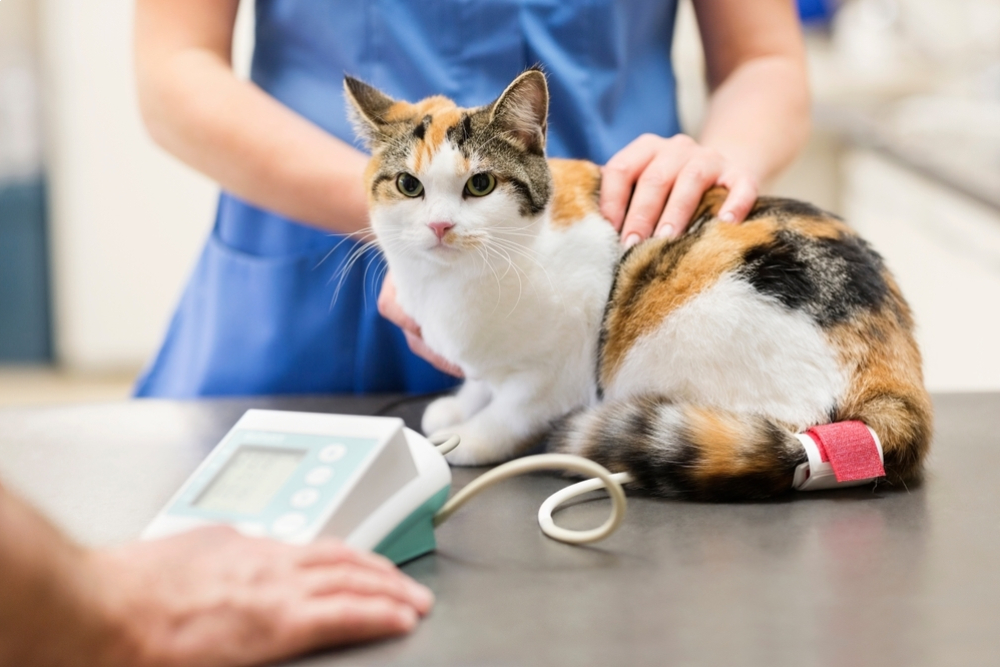
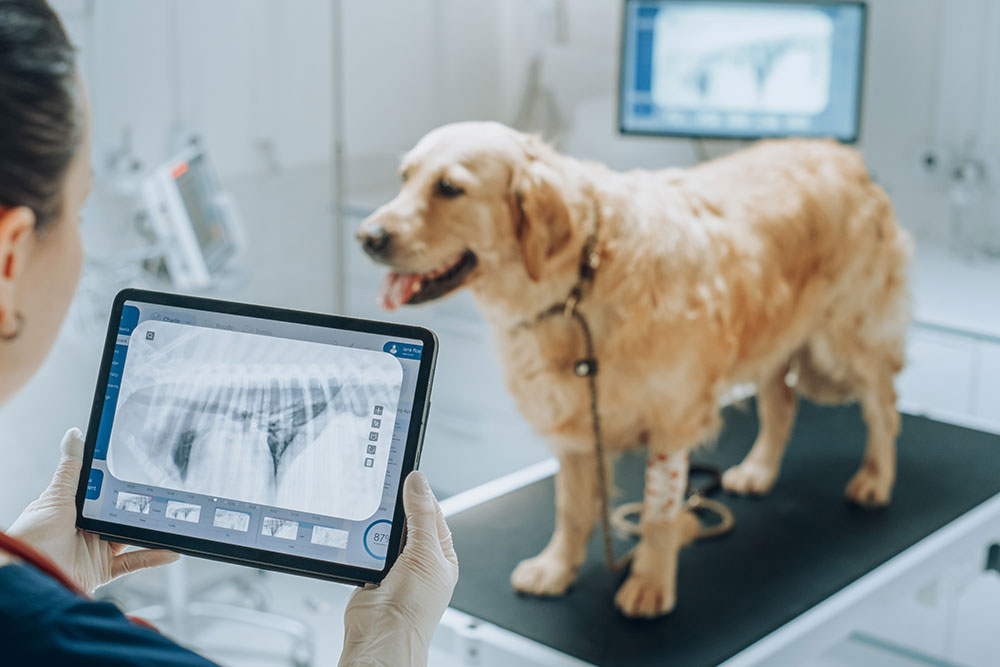
The philosophy of 360-degree care becomes especially important as pets age because no single test tells the full story. Many of the most common senior health conditions develop gradually and quietly, with subtle changes that are easy to miss without a broader diagnostic picture. Bloodwork may reveal early kidney disease or metabolic changes, blood pressure monitoring can uncover hypertension that increases strain on vital organs, and X-rays help identify heart enlargement, arthritis, or other internal changes that cannot be detected through lab work alone. When these diagnostics are used together, they give veterinarians a more complete understanding of a senior pet’s health and allow problems to be identified earlier, before they progress into more serious or irreversible disease.
Milford Animal Hospital brings university-level diagnostics and a deeply client-focused philosophy to the Milford, PA community. Our digital imaging and in-house diagnostics support thorough senior screening, and our team takes the time to explain every finding and what it means for your pet’s care going forward. Contact us to schedule a senior wellness visit.
Why Aren’t Routine Exams Alone Enough for Aging Pets?
Standard wellness exams are valuable, but for senior pets, an exam alone misses the diseases that develop on the inside. Twice-yearly visits with targeted preventive testing catch problems before they become crises.
Our wellness plans bundle the appropriate screening tests for senior pets so the right tests happen at the right intervals.
What a Comprehensive Senior Screening Includes
Senior pet care recommendations typically include some combination of:
- Complete blood count (CBC) and chemistry panel
- Thyroid screening (T4, with extended panels when indicated)
- Urinalysis with urine specific gravity
- Blood pressure measurement
- Heartworm and tick-borne disease testing
- Chest X-rays (especially for medium and large dogs, all senior dogs with murmurs, and senior cats)
- Abdominal ultrasound (when indicated by other findings or breed risk)
- NT-proBNP cardiac screening
- Fecal testing
Recommendations are individualized. A 7-year-old healthy small dog may not need every test annually. A 14-year-old cat with subtle weight loss often needs the full workup.
What Does Blood Work Reveal in Senior Pets?
Blood panels provide an internal snapshot before symptoms appear. Key components and what each catches:
| Test | What It Measures | Common Findings |
| CBC | Red blood cells, white blood cells, platelets | Anemia, infection, immune issues, bone marrow concerns |
| Chemistry panel | Organ function markers | Kidney disease, liver disease, electrolyte imbalances, diabetes |
| Thyroid (T4) | Thyroid hormone level | Hypothyroidism in dogs, hyperthyroidism in cats |
| Heartworm/tick-borne | Specific pathogens | Active heartworm, Lyme, ehrlichia, anaplasma |
| Glucose | Blood sugar | Diabetes screening |
The value of comparing results to prior baselines cannot be overstated. Dogs whose creatinine has risen from 0.9 to 1.4 over three years have meaningful kidney changes even though both values are within “normal” range. Without prior values to compare to, that progression goes unnoticed until it becomes overt disease.
Why Does Blood Pressure Matter for Senior Pets?
Hypertension silently damages organs. In senior pets, sustained high blood pressure can cause:
- Retinal detachment and sudden blindness
- Brain damage including seizures and behavior changes
- Heart enlargement
- Worsening of existing kidney disease
The conditions commonly linked to hypertension in pets include chronic kidney disease, hyperthyroidism (in cats), diabetes, Cushing’s disease, and certain heart conditions. When any of these are diagnosed, blood pressure measurement should be part of the workup. Even when no underlying condition is identified, hypertension can occur and benefits from treatment.
What Can a Urine Test Tell You About Your Senior Pet?
Urinalysis measures concentration, pH, protein levels, glucose, and microscopic findings (cells, crystals, bacteria). Together with bloodwork, it gives a much fuller picture of urinary and metabolic health than either alone.
Specific findings worth understanding:
- Specific gravity (concentration): Catches kidney disease earlier than blood values, since concentration declines before creatinine rises
- Protein: Even small amounts of protein in urine can indicate early kidney damage
- Glucose: Suggests diabetes
- White blood cells/bacteria: Indicates infection
- Crystals or stones: Identifies risk for bladder or urinary stones
Senior pets benefit from urinalysis at least annually.
How Do We Screen for Heart Disease in Senior Pets?
Cardiac screening matters even when pets appear healthy. Many forms of heart disease develop silently for years before producing obvious symptoms.
Heart disease diagnosis tools include:
- Chest X-rays to evaluate heart size and shape, lung fields, and pulmonary vessels
- Echocardiogram for detailed cardiac anatomy and function. Our echocardiograms are read by board-certified specialists with results back within a day.
- ECG to evaluate heart rhythm and electrical activity
These tests are noninvasive and well-tolerated. For pets with murmurs found on exam, or breeds at higher cardiac risk, the combination provides a comprehensive cardiac evaluation.
When Are X-Rays and Ultrasound Recommended for Senior Pets?
Imaging adds dimensions that bloodwork can’t reach.
Radiography is most useful for:
- Evaluating heart size and shape, and lung abnormalities (masses, infections, fluid)
- Detecting bone changes including arthritis severity
- Identifying abdominal masses or organ enlargement
Ultrasound is most useful for:
- Guiding fine-needle aspirates of suspicious masses
- Evaluating organ architecture (liver, kidneys, spleen, GI tract)
- Cardiac evaluation (echocardiogram)
Both modalities work best in combination, with bloodwork shaping which images are most likely to reveal useful information.
Common Conditions to Watch For in Senior Pets
Thyroid Disease in Dogs
Hypothyroidism develops when the thyroid gland produces too little hormone. Signs often mimic normal aging: weight gain despite no diet change, lethargy, cold intolerance, coat changes (thinning, dullness, sometimes hair loss), and recurring skin infections. Diagnosis is straightforward with thyroid bloodwork. Daily oral supplementation typically restores normal function within weeks.
Thyroid Disease in Cats
Hyperthyroidism is one of the most common diseases in senior cats, producing weight loss despite a great or increased appetite, restlessness, increased thirst, and sometimes vomiting or diarrhea. Untreated hyperthyroidism damages the heart and kidneys. Treatment options include daily medication, prescription diet, surgical thyroidectomy, or radioactive iodine therapy (the most curative option).
Kidney Disease in Senior Pets
Chronic kidney disease is extremely common in senior pets, particularly cats. Pets often don’t show symptoms until they’ve lost 65 to 75 percent of kidney function, which makes screening critical. Early signs include increased thirst and urination, gradual weight loss, decreased appetite, and intermittent vomiting. Management includes prescription kidney diets, fluid therapy, blood pressure control, and treatment of secondary conditions like high phosphorus and anemia.
Heart Disease in Senior Pets
The most common types vary by species and size:
- Small dogs: Mitral valve disease (degenerative valve disease) accounts for most cases
- Large dogs: Dilated cardiomyopathy (DCM) is the dominant concern
- Cats: Hypertrophic cardiomyopathy (HCM) is the most common feline heart disease
Early detection allows treatment to begin before congestive heart failure develops. Heart disease treatment has advanced substantially, and pets diagnosed early with appropriate management often live well for years.
Cancer Screening in Senior Pets
Routine exams and imaging help identify cancer early. Common types in senior pets include:
- Lymphoma in both species
- Hemangiosarcoma in large breed dogs
- Osteosarcoma in large and giant breeds
- Mast cell tumors, melanomas, and other skin cancers
- Mammary cancer in unspayed or late-spayed female dogs and cats
Warning signs include unexplained weight loss, persistent vomiting or diarrhea, lameness that doesn’t resolve, lumps that change in size or character, persistent cough, and behavior changes. Regular physical exams catch many surface tumors early when treatment options are most effective.
Liver Disease in Senior Pets
Bloodwork often catches liver disease before outward signs appear. Elevated liver enzymes can indicate inflammation, infection, toxin exposure, or developing chronic conditions. Signs that develop later include decreased appetite, weight loss, vomiting, jaundice (yellow tinge to skin and eyes), and behavioral changes.
Arthritis and Joint Pain in Senior Pets
Arthritis affects an enormous proportion of senior pets and is dramatically underdiagnosed. Both dogs and cats benefit from proactive recognition and treatment. Modern options include:
- Pain medications: NSAIDs, gabapentin; Solensia monoclonal antibody injection for cats and Librela monoclonal antibody injection for dogs, given monthly
- Joint supplements for ongoing support, with hip and joint supplements for dogs and joint supplements for cats available in our pharmacy
- Omega-3 fatty acids: omegas for dogs and omegas for cats reduce joint inflammation
- Laser therapy to reduce inflammation and shockwave therapy to stimulate healing, both providing drug-free pain relief
- PRP (platelet-rich plasma) injections for severe joint disease to promote healing and reduce pain
Our regenerative medicine and pain management services at Milford Animal Hospital, including laser therapy, shockwave, and PRP, provide comprehensive arthritis care.
Dental Disease in Senior Pets
Dental disease is extremely common in older pets and impacts whole-body health. Bacteria from advanced periodontal disease can affect the heart, kidneys, and liver. Dental care for senior pets includes:
- Annual oral exams as part of every wellness visit
- Professional dental cleanings under anesthesia with full-mouth radiography
- Treatment of any identified disease
- At-home dental care between professional cleanings
Pre-anesthetic bloodwork is important for senior dental procedures. Senior pets handle anesthesia very well when their organ function and cardiovascular status are confirmed beforehand. Our AAHA-accredited dental protocols meet the highest established standards for safety and quality.
Frequently Asked Questions About Senior Pet Screening
How often should my senior pet have screening?
Twice-yearly exams with annual or biannual bloodwork is the typical baseline for senior pets. More frequent screening is recommended for pets with diagnosed conditions or specific risk factors.
Is anesthesia safe for senior pets?
Generally yes, when proper precautions are taken. Pre-anesthetic bloodwork, individualized anesthetic protocols, and continuous monitoring make procedures safe for the great majority of senior pets. Our anesthesia protocols include continuous monitoring of blood pressure, oxygen saturation, ECG, and temperature.
What if a problem is found during screening?
Early detection generally means more treatment options and better outcomes. We’ll walk through findings with you, discuss what additional testing or treatment makes sense, and develop a plan that fits your pet and your priorities.
Are there situations where screening isn’t appropriate?
Sometimes. For pets with terminal diagnoses or those whose families aren’t pursuing further treatment, additional testing may not change management. Our end-of-life care approach respects each family’s goals and adjusts recommendations accordingly.
My senior pet seems fine. Why do I need to do all this?
Pets are skilled at hiding illness, especially cats. By the time external signs appear, many conditions have advanced past the early treatment window. Screening catches what observation can’t.
Helping Your Senior Pet Thrive With Proactive Care
Senior pets deserve more than reactive care. The combination of regular exams, comprehensive bloodwork, blood pressure monitoring, urinalysis, and targeted imaging catches developing conditions early when treatment is most effective. The pets who do best are the ones whose care includes systematic monitoring rather than waiting for symptoms.
If your senior pet is due for screening, our team is ready to help. Schedule an appointment or reach out with questions, and we’ll work through the right plan for your specific pet.





Leave A Comment