




Restlessness, drooling, or sudden aggression can all signal anxiety in pets. Recognizing these changes early helps prevent long-term stress and protects emotional and physical health.
At Milford Animal Hospital, our AAHA-accredited team understands that behavioral and physical health go hand in hand. Through our 360 Degrees of Care philosophy, we guide pet owners in identifying early warning signs, understanding triggers, and developing individualized treatment plans to bring calm back into their pet’s life.
What Pet Anxiety Really Means
Pet anxiety is more than nervous behavior- it’s a genuine medical and emotional condition that affects how pets respond to the world around them. Since dogs and cats can’t verbalize their stress, they rely on body language and behavior to communicate it.
When anxiety is chronic, it impacts the immune system, sleep cycles, and even digestion. Some pets may lick or chew themselves raw, hide for days, or become aggressive when frightened. Left untreated, anxiety can turn into phobias or compulsive behaviors that disrupt family life.
Understanding that anxiety is rooted in emotion and physiology- not misbehavior- shifts how we respond. Early intervention and compassionate veterinary guidance can dramatically improve your pet’s well-being.
Common Causes of Anxiety
Environmental and Social Stressors
Pets thrive on consistency. Loud noises, unfamiliar visitors, moving homes, or even rearranging furniture can create unease. Routine changes- like new work hours or children leaving for college- also contribute to stress.
Social transitions such as introducing a new pet or welcoming a baby can feel overwhelming. Pets sense household tension, and conflict among family members often increases their anxiety levels.
Medical Conditions
Physical discomfort can easily manifest as behavioral change. Pain or illness from conditions like arthritis, dental disease, or digestive problems can lead to irritability or withdrawal. Older pets may experience cognitive dysfunction, a form of dementia that causes confusion and restlessness- often mistaken for anxiety.
Our diagnostic services help identify or rule out underlying health concerns so we can create a treatment plan that addresses the true cause of your pet’s behavior.
Recognizing Anxiety in Dogs and Cats
Physical and Behavioral Indicators
Dogs may tremble, pant heavily, pace, or whine. Some chew furniture, bark persistently, or have accidents indoors.
Cats often hide, overgroom, stop using the litter box, or show uncharacteristic aggression. Many cat behavior issues are anxiety-related rather than disciplinary problems.
Body Language Cues
Learning to interpret subtle signs allows early intervention before anxiety escalates.
Canine body language warning signals include lip licking, yawning when not tired, crouching, and tail tucking.
Feline cues include pinned-back ears, dilated pupils, and tense posture. The feline grimace scale helps identify discomfort that contributes to anxiety.
Recognizing these signals empowers owners to respond with compassion and preventative care rather than punishment.
Frequent Anxiety Triggers
Noise Sensitivity
Noise aversion is one of the most common triggers in pets. Thunder, fireworks, and construction noise can cause panic. Storm-related anxiety can intensify due to barometric pressure shifts, vibrations, and flashing light. Some pets even injure themselves trying to escape.
Gradual desensitization- such as playing low-volume recordings of thunder while pairing the sound with treats- helps reduce long-term fear. Soundproofing rooms, closing curtains, and playing white noise or calming music can also minimize exposure. For severe cases, your veterinarian may recommend pre-storm medications or calming wraps to prevent panic before it begins.
Social or Environmental Change
Transitions like moving, schedule shifts, or a new family member can disrupt pets’ sense of stability. Separation anxiety in dogs often presents as destruction or vocalization when owners leave.
Cat stress may show up as hiding, irritability, litterbox use changes, or refusing food. Inter-cat tension can cause ongoing conflict if introductions aren’t gradual. Even subtle shifts- like a different brand of litter, a new pet bed, or household visitors- can upset a sensitive animal.
Other frequent triggers include lack of exercise, boredom, confinement, or overstimulation from busy environments. Reactive behavior and resource guarding often stem from fear rather than dominance. Recognizing that fear is the driver makes treatment more effective and compassionate.
Helping Your Pet Feel Safe
Behavioral Modification and Training
Positive reinforcement training rewards calm behavior and helps pets build confidence. Desensitization and counter-conditioning techniques such as the engage-disengage training game teach pets to redirect focus away from triggers.
Effective behavior modification programs start small. For instance, a dog fearful of strangers might begin with observing people from a distance while receiving treats for calm behavior. Gradually, exposure increases as confidence grows. These incremental steps build trust and reshape emotional responses over time.
Cooperative care training for dogs and cats prepares them for grooming, medication, or veterinary exams by teaching them that gentle handling predicts rewards rather than discomfort. Incorporating these methods into daily routines makes care easier and strengthens the human–animal bond.
Avoid punishment- it increases fear and erodes trust. Confidence-based training, on the other hand, helps pets learn to cope with challenges calmly. For pets whose anxiety feels unmanageable, working with a veterinary behaviorist or certified trainer can accelerate progress and ensure techniques are properly applied. Owners should expect gradual, steady improvement rather than instant results- consistency is key to long-term change.
Environmental Enrichment
Pets with fulfilling daily routines experience less anxiety.
Cats thrive with DIY enrichment toys, climbing spaces, and hiding areas. An engaging indoor cat environment promotes security and mental stimulation.
Dogs benefit from enrichment activities like puzzle feeders and sniffari walks, which engage their natural instincts.
Regular play, mental challenges, and predictable routines go a long way toward preventing anxiety.
Medical Support When Needed
In some cases, behavioral strategies alone aren’t enough. Seek veterinary guidance if anxiety leads to self-injury, destructive behavior, loss of appetite, or withdrawal from family life. Early diagnosis prevents escalation and keeps treatment manageable. Calming medications or supplements can be valuable tools- not signs of failure.
Pheromones like Adaptil and Feliway simulate natural calming signals and are especially helpful for short-term stressors like vet visits or moving.
Because pain can worsen anxiety, addressing underlying physical discomfort is key. Our laser therapy services help reduce inflammation and pain, often improving mood and confidence.
Partnering With Your Veterinary Team
Reducing Vet-Visit Stress
Making veterinary visits less stressful begins with preparation. Bring treats or familiar blankets, and practice gentle handling at home. For sensitive pets, pre-visit medications or pheromone sprays can make the experience easier.
We encourage “happy visits,” where pets come in just for positive experiences- treats, praise, and affection- helping them associate our clinic with comfort, not fear. At Milford Animal Hospital, we take time to make every visit calm, welcoming, and personal.
Comprehensive Diagnostic and Treatment Tools
Because anxiety can mimic or mask medical problems, a complete evaluation is critical. Exams, blood work, and behavioral histories provide clarity.
Our comprehensive services and advanced imaging ensure accurate diagnosis. And if anxiety spikes suddenly or becomes severe, our emergency care team is available during business hours for immediate support.
Clearing Up Common Misconceptions
- “They’ll grow out of it.”Most pets won’t. Anxiety tends to deepen over time without intervention.
- “Punishment teaches discipline.”It only increases fear. Supportive training creates trust.
- “Medication is a last resort.”In reality, it often enhances learning and comfort, allowing true progress.
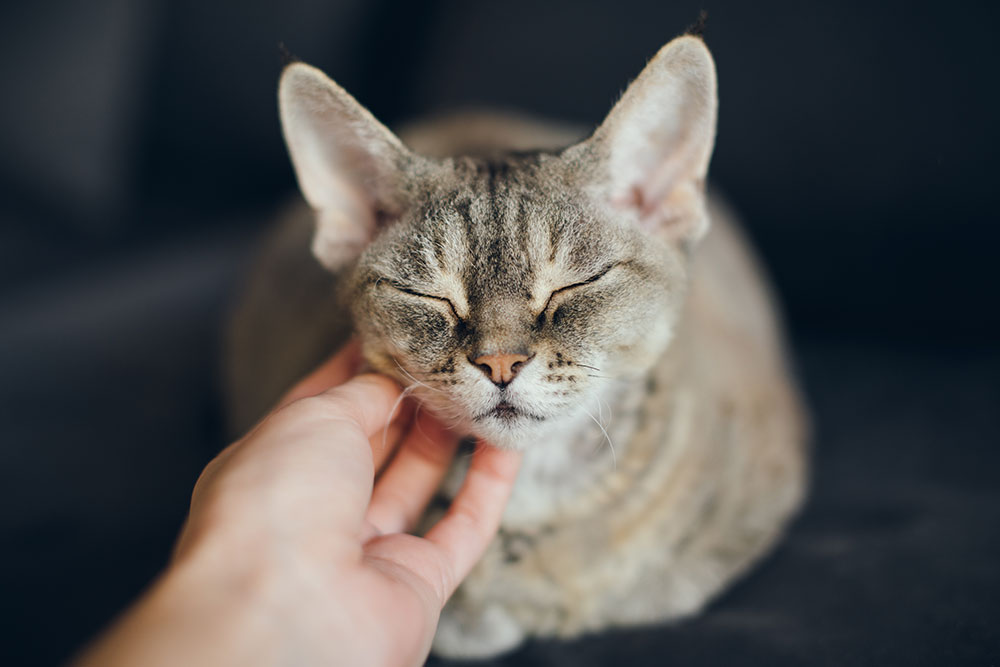
Supporting Your Pet’s Emotional Health
Emotional well-being is just as vital as physical health. With consistent training, enrichment, and professional support, even anxious pets can live relaxed, joyful lives.
At Milford Animal Hospital, our experienced team helps pets and their families find lasting solutions through our 360 Degrees of Care philosophy. Whether your pet needs a wellness exam, anxiety evaluation, or emergency support, we’re here to help.
Schedule an appointment or contact us today to create a customized plan that restores peace of mind- for both you and your pet.





Leave A Comment