


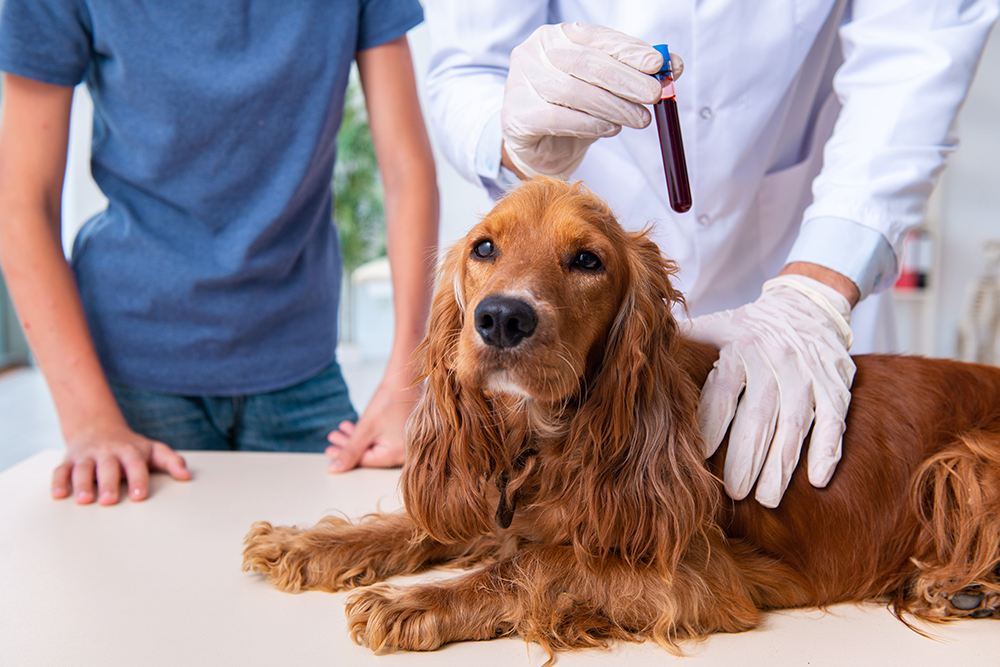
A puppy’s first vaccines mark only the beginning of lifelong protection. As pets grow and age, their immune systems and lifestyles change- and so do their vaccination needs. Boosters maintain strong defenses in adulthood, and adjusted schedules help seniors stay protected while remaining comfortable.
At Milford Animal Hospital in Milford, PA, we help families navigate each stage of their pet’s life with thoughtful, science-based care. Our veterinarians design personalized vaccination plans that protect against preventable diseases while supporting your pet’s overall health and wellbeing.
Why Vaccination Remains Essential
Preventing Serious and Deadly Diseases
Vaccination has transformed veterinary medicine, turning once-deadly diseases into rare and preventable conditions. By safely introducing a controlled form of a virus or bacteria, vaccines train your pet’s immune system to recognize and fight disease before it can take hold.
Some illnesses are still widespread and highly contagious. Canine distemper attacks the nervous system and often proves fatal, while feline leukemia virus weakens the immune system and increases cancer risk. Rabies remains universally fatal once symptoms appear, making prevention through vaccination a legal and ethical necessity.
Prevention is always safer, simpler, and more affordable than treatment. Diseases like parvovirus and panleukopenia can devastate unvaccinated pets in a matter of days, and recovery- if possible- is long and costly.
Building Community Immunity
Vaccination protects not just individual pets, but entire neighborhoods. When most pets are vaccinated, contagious diseases have fewer opportunities to spread. This is particularly important in places where pets gather, such as parks, kennels, or grooming salons. High vaccination rates create a safety net for animals that cannot be vaccinated due to medical conditions.
Understanding Core and Lifestyle Vaccines
Core Vaccines: Essential for All Pets
Dogs:
Core vaccines protect dogs from rabies, DHPP (distemper, adenovirus/hepatitis, and parvovirus), and leptospirosis.
These vaccines safeguard dogs from the most common and severe viral and bacterial infections. Leptospirosis, now considered a core vaccine, protects against a bacterial disease spread through standing water or wildlife. It can cause serious kidney and liver damage and can also infect humans, making vaccination essential for both pet and family safety.
Cats:
Cats require vaccines for rabies and FVRCP (feline viral rhinotracheitis, calicivirus, and panleukopenia). These viruses cause fever, dehydration, and respiratory distress and can spread easily through brief contact or shared airspace.
The Feline Leukemia Virus (FeLV) vaccine is now classified as core for all cats under one year of age. FeLV spreads through saliva, grooming, and close contact, and can cause cancer or immune suppression. Vaccinating kittens ensures long-term protection before potential exposure.
Lifestyle Vaccines: Based on Exposure and Risk
Non-core vaccines are recommended based on a pet’s environment, activities, and regional disease risks.
For Dogs:
- Lyme Disease: Protects against a tick-borne infection that can cause joint pain, fever, and kidney complications.
- Kennel Cough: Recommended for dogs who socialize, board, or attend daycare; prevents persistent coughing caused by contagious respiratory pathogens.
- Canine Influenza: Shields dogs who visit grooming facilities or dog parks from highly contagious flu-like respiratory illness.
For Cats:
- Bordetella bronchiseptica: Beneficial for cats in multi-cat homes, shelters, or boarding environments. Reduces the risk of contagious respiratory infections and supports respiratory health in high-exposure settings.
Vaccination Across Life Stages
Starting Strong: Puppies and Kittens
Newborns receive antibodies from their mothers, but this temporary protection fades quickly. Vaccines usually begin at 6 to 8 weeks of age, with boosters every 3 to 4 weeks until 16 to 20 weeks old. This series ensures a strong, consistent immune response as maternal antibodies decline.
Missing boosters can leave dangerous gaps in immunity. Early vaccination is the foundation of lifelong protection.
Milford Animal Hospital’s wellness plans include more than vaccines- they combine parasite prevention, nutrition counseling, and growth monitoring to support every aspect of early development.
Adult Pets: Staying Protected Through Routine Boosters
Once a pet reaches adulthood, booster schedules vary by vaccine type. Some are given annually, while others provide protection for up to three years. Routine veterinary visits keep vaccines current and give your veterinarian a chance to evaluate overall health.
Adult pets’ vaccine needs often reflect lifestyle.
- Dogs that travel, hike, or board may require additional protection against Lyme disease or kennel cough.
- Indoor-only cats may need fewer vaccines than those that spend time outdoors or live with other cats.
As life circumstances change, so should your pet’s vaccination plan. Moving to a new area, adopting another pet, or joining a training group can alter exposure risks. Regular communication with your veterinarian ensures vaccines stay aligned with your pet’s current environment.
Senior Pets: Balancing Comfort and Protection
Older pets may not respond to vaccines as strongly as younger ones, yet they are often more vulnerable to illness. Adjusting vaccine schedules for aging pets requires careful assessment.
Conditions like heart disease, kidney failure, or diabetes can influence vaccine timing and selection. The benefits and risks of vaccination should always be discussed with your veterinarian. Many seniors continue to benefit from core vaccinations, which help prevent severe infections that could be life-threatening for pets with chronic illnesses.
Milford Animal Hospital’s team takes a holistic approach for senior pets, balancing immunity support with overall wellness care and comfort.
Clearing Up Common Vaccination Myths

Myth: Indoor Pets Don’t Need Vaccines
Even strictly indoor pets are not completely safe from disease. Viruses like canine parvovirus can survive for months on shoes or clothing, and bats or rodents can carry rabies into homes. Rabies vaccination remains a legal requirement for all pets, regardless of lifestyle.
Myth: Vaccines Are Dangerous or Unnecessary
Modern veterinary vaccines are highly regulated and tested for safety. Most pets experience only mild, short-term effects such as soreness or sleepiness. Serious allergic reactions are extremely rare. According to the AVMA, the benefits of vaccination far outweigh the risks, and minor reactions typically mean the immune system is doing its job.
Why Choose Milford Animal Hospital for Vaccination Care
AAHA-Accredited Standards
Milford Animal Hospital’s AAHA accreditation reflects our dedication to excellence in every aspect of care. Our protocols meet the highest standards in safety, vaccine handling, and patient monitoring. Each vaccine is stored and administered according to evidence-based guidelines, ensuring your pet receives optimal protection.
Comprehensive Veterinary Services
Vaccination is just one part of our preventive care philosophy. Our team provides a full spectrum of services, from dental imaging to surgery and emergency care. We prioritize long-term health partnerships, where every visit helps prevent illness and enhance quality of life.
Easy Scheduling and Personalized Guidance
Vaccination planning is most effective when it is consistent and customized. Our team works with families to schedule convenient appointments and develop protection plans based on each pet’s health and environment. You can schedule your pet’s vaccination visit or contact us with any questions about their preventive care.
A Lifetime of Health Starts with Prevention
Vaccines form the backbone of lifelong wellness. From puppy and kitten visits to senior care, vaccination protects your pet from preventable disease and gives you peace of mind.
Whether your pet is starting their first series or simply needs a booster, Milford Animal Hospital’s experienced team provides gentle, individualized care at every stage. Call 570-206-9593 or request an appointment today to keep your pet’s protection strong from the start- and throughout their lifetime.





Leave A Comment