




More Than Prevention: How Spay and Neuter Improve Quality of Life
Are you tired of late-night howls or frantic attempts to escape when your pet is in heat? Perhaps you’re worried about mounting aggressive behavior or the fear of a cancer diagnosis down the road. Caring for a pet means making choices that secure their happiness and well-being. Spaying and neutering aren’t just about avoiding litters- they’re about lifelong wellness, lowering cancer risk, reducing behavioral issues, and promoting a peaceful household. It’s one of the most effective ways to ensure long-term health, safety, and stability.
At Milford Animal Hospital, our compassionate team provides world-class surgical care and wellness plans designed to improve quality of life at every age. As an AAHA-accredited hospital, we perform every procedure with the highest safety standards, advanced pain management, and individualized support.
Understanding the Full Benefits of Spaying and Neutering
Spaying and neutering prevent disease, improve behavior, and extend pets’ lifespans. These procedures also reduce stray overpopulation and associated risks like contagious disease spread, wildlife disruption, and shelter overcrowding. For young animals, early surgery prevents hormone-driven conditions before they develop. Older pets benefit from disease prevention and reduced stress-related behaviors.
These are among the most common surgeries we perform, and our surgical suite is equipped with cutting-edge CO₂ laser technology for precision and faster healing. Schedule a wellness exam to discuss surgical timing and readiness.
Health Benefits of Spaying and Neutering
Reducing Cancer and Reproductive Disease Risk
Reproductive hormones can trigger abnormal tissue growth and dangerous infections. Spaying female pets drastically reduces the likelihood of developing mammary tumors in dogs and mammary tumors in cats, and completely eliminates the risk of pyometra– a severe uterine infection that can be fatal without emergency treatment.
Neutering males prevents testicular tumors and significantly lowers the likelihood of prostate enlargement and infections. Studies show that sterilized pets live 1.5 to 3 years longer on average than those left intact.
Our emergency team is always ready to help pets experiencing sudden illness or complications from reproductive disease.
Longevity and Overall Health
Spayed and neutered pets tend to live longer, healthier lives due to reduced hormone-driven stress and fewer medical complications. Altered pets are less likely to roam, fight, or develop certain cancers. Neutering also reduces the risk of injuries from road accidents and fights with other animals.
Beyond longevity, sterilization helps regulate metabolism and minimize hormonal fluctuations that can affect immune function, appetite, and coat quality.
Reducing Aggression, Marking, and Roaming
Testosterone and estrogen can lead to marking, aggression, restlessness, and in females, anxiety during heat cycles. Neutering males and spaying females stabilizes hormones, reducing behaviors like fighting, roaming, and destructive marking.
In cats, spaying or neutering often resolves issues like urine spraying, making shared living spaces calmer and cleaner. Dogs also experience fewer dominance-driven behaviors, leading to safer interactions with other animals and family members.
The drive to roam is particularly dangerous for intact pets. Male dogs can detect a female in heat from miles away and will go to extraordinary lengths to reach her- digging under fences, jumping gates, or bolting through open doors. This desperation puts them at risk for being hit by cars, getting lost in unfamiliar areas, or encountering aggressive animals. Female pets in heat attract unwanted attention, creating stressful situations where protective owners must constantly guard against intact males. After surgery, these instincts fade dramatically, and pets become content staying close to home where they’re safe and supervised.
Timing and What to Expect from the Procedure
When to Spay or Neuter
The ideal age for surgery depends on your pet’s size, breed, and developmental stage:
- Cats: 4–6 months
- Small-breed dogs: around 6 months
- Large-breed dogs: 12–18 months
Understanding life stages helps determine the most beneficial timing for spay or neuter procedures. Delaying surgery in certain large breeds may help ensure proper joint and bone development, while early spay and neuter remains the best option for smaller pets and cats.
Schedule a wellness exam to create a personalized surgical timeline. If you have a puppy or kitten, we’ll talk through the right timing for their growth and breed- and our Wellness Plans make care for your young pet easy with predictable costs for preventive care.
Safe and Monitored Surgical Care
Spay and neuter surgeries are routine and carefully monitored. Every patient undergoes pre-surgical bloodwork to confirm readiness for anesthesia. During surgery, vital signs- heart rate, oxygen levels, temperature, and blood pressure- are tracked using modern monitoring technology.
Our AAHA-accredited surgical suite follows the highest standards of anesthesia safety and pain management. We use advanced surgical laser technology to minimize tissue trauma, reduce inflammation, and promote faster healing- the highest standard of surgical care and anesthesia protocols.
Recovery and Post-Surgery Care
Helping Pets Heal Comfortably
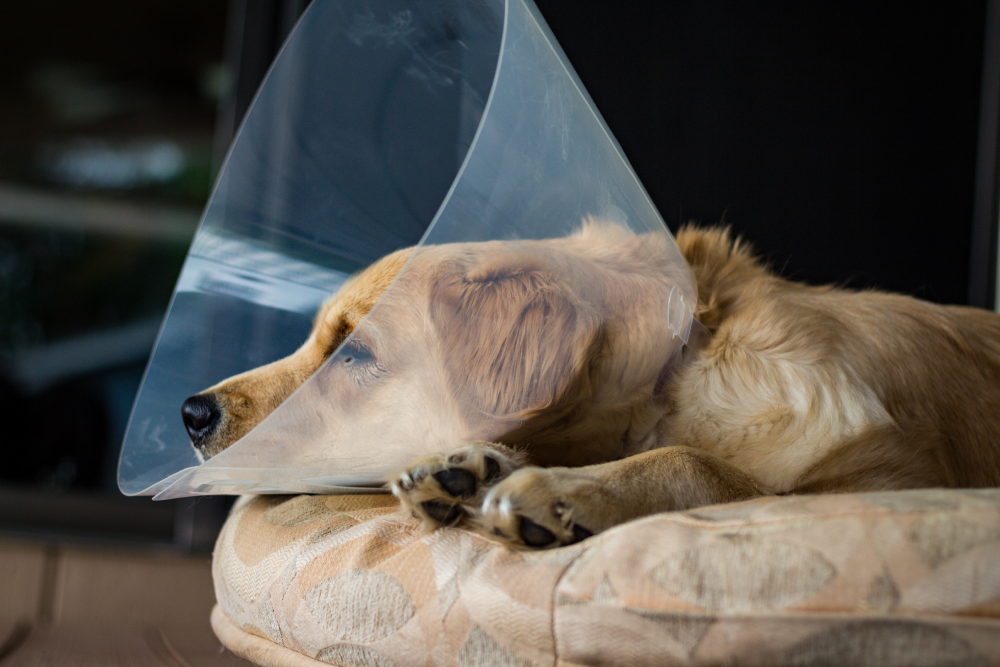
After surgery, most pets recover within 10–14 days. During this time, limit activity, prevent licking of the incision, and keep your pet in a clean, quiet space. Use an e-collar to protect the incision site and monitor for redness or swelling.
Pain management is a priority throughout the recovery process. Most pets receive pain medication to take home, and it’s important to give these medications exactly as prescribed- even if your pet seems comfortable. Animals instinctively hide pain, so consistent pain control prevents discomfort before it starts. Watch for signs like decreased appetite, reluctance to move, or unusual quietness, and contact us immediately if you notice anything concerning. Most pets bounce back quickly and return to their normal, happy selves within just a few days.
Our team provides detailed post-operative instructions and follow-up visits to ensure your pet is healing safely and comfortably. After surgery, our laser therapy can help decrease inflammation, pain, and speed healing.
Addressing Myths and Concerns
The Myth of Pets Needing to Experience Motherhood
This is one of the most common misconceptions, rooted in human emotions rather than animal biology. Pets have no concept of parenthood as a life experience they’re “missing out on”- they don’t understand reproduction or feel unfulfilled without offspring. What they do experience during pregnancy is physical stress, hormonal fluctuations, and very real medical risks.
Complications like dystocia (difficult labor), uterine infections, eclampsia (life-threatening calcium drops), and hemorrhaging are common enough that many pets require emergency cesarean sections. Rather than enriching pets’ lives, unplanned litters can endanger them- all for an experience pets never knew they wanted.
Will Male Pets Miss Their Testicles?
Male pets have no idea what testicles are, let alone any attachment to keeping them. Intact males don’t experience a sense of loss after neutering- they experience relief from the constant biological pressure to roam, fight, and mate.
What pets actually won’t miss: aggressive encounters that lead to expensive veterinary bills, the overwhelming urge to escape to track down females (often resulting in being hit by cars or getting lost), and the very real risk of testicular cancer and prostate disease. Neutering eliminates these dangers while pets remain calmer, safer, and healthier.
Personality Changes After Surgery
Spaying and neutering don’t change a pet’s loving or playful nature- they only reduce hormone-driven behaviors, creating calmer, more predictable personalities without affecting affection or intelligence. Expected improvements include fewer fights, less inclination to escape, and less mess- no bloody heat cycles and less urine marking.
Weight Gain Concerns
Post-surgical metabolism may slow slightly, but this occurs as pets age regardless of surgery. Because pets are spayed and neutered around the same time they’re entering adulthood, the slowed metabolism is often blamed on surgery rather than normal aging.
Weight gain occurs only when calorie intake exceeds energy needs. With proper nutrition and activity, pets remain healthy and fit. Use a pet weight check guide to monitor your pet’s body condition. Exercise routines and portion adjustments keep pets active and lean after surgery.
Surgery Safety
Modern anesthesia and monitoring make spay and neuter procedures among the safest in veterinary medicine. Each patient receives comprehensive pre-surgical screening and anesthetic support, with our team following strict safety standards throughout every step of care.
Protecting Your Pet’s Health and Future
Spaying or neutering your pet offers lifelong benefits- from disease prevention to behavioral balance and improved safety. At Milford Animal Hospital, we approach every surgery with compassion, precision, and deep commitment to pet comfort.
Whether you’re planning your pet’s spay or neuter, or seeking trustworthy advice about timing and preparation, we’re here to help. Schedule a consultation today and discover how this one procedure can set the foundation for a longer, healthier, and happier life for your companion. Together, we’ll ensure your pet enjoys calmer, safer, and more fulfilling years ahead.






Leave A Comment