


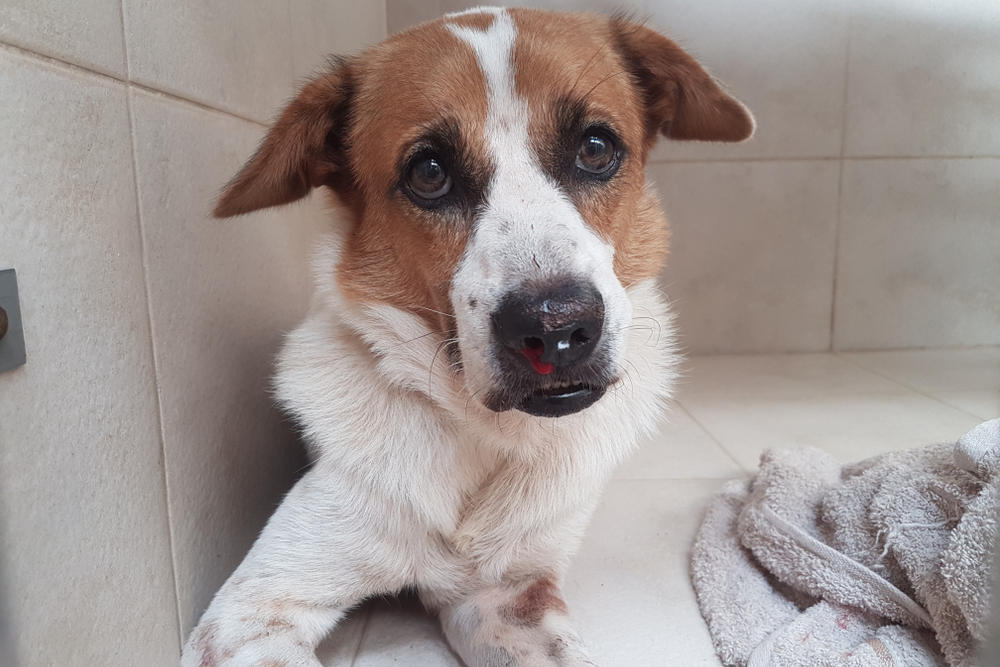
If you have read anything about immune-mediated blood diseases, the question that follows is usually whether you can keep your pet from ever getting one. Prevention removes some of the causes, but it cannot stop the misfire itself. No vaccine or preventive keeps an immune system from marking your pet’s own red blood cells or platelets for destruction, and that is what makes both diseases dangerous within days. Most cases turn out to be primary, meaning no trigger is ever found, while a smaller share are secondary, where an infection or exposure set the attack in motion. In northeastern Pennsylvania that usually means tick-borne disease, so year-round prevention, a screening test for exposure, and a normal blood panel already on file are the pieces of this you can control. Certain viruses like Feline Leukemia (FeLV) and canine distemper, and parasites like heartworm, can also be triggers and are also preventable. Early screening in breeds with higher risk, like Cocker Spaniels, can allow you to catch the disease early and before it has become life-threatening.
Milford Animal Hospital, an AAHA-accredited practice, runs the bloodwork and tick-borne disease screening this question depends on, both to catch an underlying infection early and to keep a record of what normal looks like for your pet. Our puppy and kitten wellness plans start that protection young with the vaccines and parasite prevention that protects them from the factors we can control. We see urgent cases six days a week, so call us as soon as you notice pale gums, sudden tiredness, or new bruising, and if we are closed, take your pet straight to the nearest 24-hour emergency hospital rather than waiting for us to open. Request an appointment at our Milford hospital any time you want a baseline panel on file, a symptom checked, or an adult pet’s prevention reviewed.
Start Here: IMHA and ITP in Plain Terms
- In IMHA and ITP, a pet’s own immune system wipes out red blood cells or platelets, and either disease can slide from mild to critical within a day or two.
- Pale or yellow gums, sudden weakness, fast breathing at rest, dark urine, and new bruising all mean your pet needs to be seen right away.
- Tick-borne infection is one of the most common triggers in our corner of Pennsylvania, so testing for it starts on day one.
- Most dogs and cats who begin treatment early respond well, though medication keeps getting adjusted for months as the bloodwork changes.
Why Would a Healthy Immune System Start Destroying Blood Cells?
In immune-mediated diseases, the same defenses that normally hunt down bacteria and viruses start tagging healthy blood cells for destruction instead. Nothing has changed about the cells themselves. The immune system misreads them as foreign and clears them from circulation faster than the bone marrow can replace them.
These cases split into two groups. Primary disease means no cause is ever found, which is true for most dogs and cats, and treatment aims straight at suppressing the immune response. Secondary means something set the misfire in motion, and that trigger has to be treated at the same time, because quieting the immune system while an infection keeps running buys a few good weeks and then a relapse the moment medication tapers.
What Sets Off a Secondary Attack on the Blood?
Secondary cases begin with something the immune system was right to fight: an infection, a tumor, a toxin, or a drug reaction. The response overshoots and sweeps up red cells or platelets along with the real target, so tracking down that trigger is what keeps the disease from coming straight back once treatment starts.
- Tick-borne infections: The leading secondary trigger in our region, and the first thing worth ruling out in a new case.
- Other bacterial infections: Leptospirosis, picked up from standing water and wildlife urine, damages blood vessels and drops platelet counts. In cats, hemotropic mycoplasma latches onto red blood cells, and the immune system ends up destroying the cell along with the organism.
- Viruses and parasites: Feline leukemia virus is a well-documented driver in cats, and canine distemper does the same in unvaccinated dogs. Heartworm disease belongs on that list too, since the immune complexes of a long-running infection drag platelets into the crossfire.
- Cancer: Lymphoma and hemangiosarcoma both hide behind immune-mediated blood disease, which is part of why imaging often joins the workup.
- Toxins, drugs, and bites: Zinc toxicosis, usually from a swallowed coin or piece of hardware, destroys red cells outright. Certain medications and snake bites provoke the same response.
Recent vaccination appears in the veterinary literature as a rare association with platelet destruction. Distemper and feline leukemia virus are themselves triggers, so skipping vaccines trades a very small risk for a considerably larger one.
What Does IMHA Look Like in Dogs and Cats?
Immune-mediated hemolytic anemia destroys red blood cells faster than the bone marrow can rebuild them, so every organ starts running short on oxygen. Early on, it’s the dog who quits halfway through a walk they’ve done a hundred times. Later, it’s collapse.
Speed varies. Some pets slide over a week or two, and others crash inside a day. Cats are the quiet ones, sleeping more rather than showing obvious weakness, so a cat who’s off her food and hiding under the bed deserves a look sooner rather than later.
Catching IMHA Early
Lift your pet’s lip and look at the color, because pale or jaundiced gums mean enough red cells have been lost for the change to show on the outside. Healthy tissue there is bubblegum pink, and white, gray, or yellow is a reason to come in now, along with the changes that are easy to dismiss one at a time: faster breathing at rest, skipped meals, and urine the color of strong tea.
Breed and age matter here. Cocker Spaniels develop this disease at higher rates than any other breed, with Springer Spaniels, Old English Sheepdogs, Poodles, and Miniature Schnauzers also over-represented, and most patients are middle-aged, with females outnumbering males. If your dog fits that picture, don’t sit on a hunch. Reach out and let us run a panel.
The Clotting Problem That Makes IMHA So Dangerous
Blood clotting complications rank among the leading causes of death in IMHA, because the same inflammation tearing through red cells drives the clotting system into overdrive. Most families brace for bleeding, and what happens instead is the opposite, with clots forming where they don’t belong. That’s why these patients belong in the hospital through the early days, where bloodwork can be repeated and a change in breathing caught the hour it starts.
- Sudden hard or rapid breathing: the most common sign of a clot in the lungs.
- A back leg that turns cold, painful, or drags: blood flow to the limb has been cut off.
- Collapse, disorientation, or a seizure: possible clot affecting the brain.
- One limb or the face swelling with no injury behind it: circulation is blocked somewhere upstream.
Any of these means go now. Call on your way in if we’re open, and head for the nearest 24-hour emergency hospital if we aren’t.
What Does ITP Look Like, and How Is It Different?
Immune-mediated thrombocytopenia wipes out the platelets that plug the constant small leaks in blood vessels, so bleeding starts with no injury to explain it. Many of these pets stay bright and hungry until counts fall dangerously low, which is what makes the disease easy to miss at home.
Look for pinpoint red dots on the belly, gums, or inner ear flaps, along with bruises that show up overnight on skin that never got bumped. Nosebleeds without a scuffle, blood in the urine, a black tarry stool, and a small cut that keeps oozing all point the same direction. What shows on the outside understates what’s happening inside, since bleeding into the gut, the abdomen, or the brain can be serious while the skin still looks nearly normal.
| IMHA | ITP | Evans syndrome | |
| What’s destroyed | Red blood cells | Platelets | Both at once |
| Hallmark signs | Pale or yellow gums, weakness, fast breathing, dark urine | Bruising, pinpoint spots, nosebleeds, blood in urine or stool | Any mix of the two columns |
| Main danger | Oxygen starvation and abnormal clots | Bleeding into the gut, lungs, or brain | Both risks together |
| Cats vs. dogs | Seen in both; cats often secondary to infection | More common in dogs | Uncommon in either species |
When Both Cell Lines Are Under Attack at Once
Evans syndrome is the name for concurrent immune-mediated anemia and thrombocytopenia, and treating it means suppressing two attacks while watching two sets of numbers that rarely move in step. A dose that lifts the red cell count can leave the platelets lagging, so these pets need close monitoring and frequent medication changes, and most spend their first stretch of treatment hospitalized.
How Do Ticks in Northeastern Pennsylvania Raise the Risk?
Several tick-borne infections either trigger immune-mediated blood disease or mimic it closely enough to fool a first blood panel. Treat the immune attack alone while an infection smolders underneath and you get half-treatment followed by relapse, so we test for tick exposure alongside that first panel rather than after it.
Anaplasma and Ehrlichia damage blood cells directly and are among the most common reasons for a low platelet count around here. Lyme disease adds immune-mediated kidney and joint inflammation, and Rocky Mountain spotted fever injures the lining of blood vessels and can drop platelets fast. Babesia invades red blood cells and can set off IMHA in the process, favors Pit Bulls and Greyhounds, and moves between dogs through bite wounds as easily as through a tick.
Ticks here stay active through mild winter stretches, so year-round tick prevention does far more for a household than a spring-to-fall schedule, and prescription products hold up better than over-the-counter collars and drops. Wellness visits are where we match a product to your pet’s species, weight, and habits, then keep the schedule from drifting. Never put a dog’s flea and tick product on a cat, since the permethrin in many of them is toxic to cats.
How Do We Tell Which Disease Your Pet Has?
Diagnosis starts with a complete blood count and a careful look at the blood smear, which shows whether red cells or platelets are vanishing and whether the marrow is fighting back. From there, testing sorts primary from secondary, and most of it happens while your pet is here with us.
We’ll also ask about new medications, travel, tick exposure, anything your pet may have swallowed, and when the first odd day was. The exam adds gum color, spleen size, the temperature of the limbs, and the pinpoint bruising that hides on the belly and inside the ears.
| Test | What it tells us |
| CBC and blood smear | Which cell line is dropping, and what the cells look like |
| Reticulocyte count | Whether the marrow is producing replacement red cells |
| Coombs test | Whether antibodies are coating the red cells |
| Chemistry panel and urinalysis | Organ function, bilirubin, and blood in the urine |
| Tick-borne disease screening | Whether an infection is driving the attack |
| Imaging | Tumors, internal bleeding, or a swallowed metal object |
When cancer or internal bleeding is on the table, our digital imaging adds the next layer, with ultrasound examining the spleen and liver and radiographs showing the coin or battery sitting behind a zinc problem. Because the blood work runs in house, treatment usually begins during the visit that raised the question.
How Are IMHA and ITP Treated?
Treatment works two problems in parallel: medication to shut the immune attack down, and support for the body while the counts climb back. When a trigger turns up, that gets treated in parallel. No two cases follow the same schedule, so we build the plan around your pet’s diagnosis and a conversation with you, then adjust as the numbers move.
These cases live or die on frequent rechecks and careful records, the kind of monitoring and documentation AAHA accreditation holds us to.
What IMHA Treatment Involves
- Immune suppression: Prednisone comes first in most cases, sometimes joined by mycophenolate, cyclosporine, or azathioprine when steroids alone can’t hold the line.
- Clot prevention: Because abnormal clotting kills more of these patients than the anemia does, most dogs go home on a blood thinner we prescribe and dose.
- Supportive care: Hospitalization with IV fluids, anti-nausea medication, appetite support, and repeated bloodwork carries pets through the days when the count is still falling. Blood transfusions buy time rather than stopping the attack, carrying oxygen through the body while immunosuppressive medication catches up. Therapeutic plasma exchange, which filters the antibodies out of the bloodstream, is available only at referral and university hospitals, and we send patients there when a case calls for it.
- Treating the trigger: Doxycycline clears most tick-borne infections, and other triggers get handled on their own terms.
What ITP Treatment Involves
Corticosteroids lead here too. Vincristine is often added early to push the marrow into releasing platelets faster, and intravenous immunoglobulin is an option when counts are critically low and bleeding is active. Splenectomy, removing the organ where much of the destruction happens, stays in reserve for pets who keep relapsing despite medication. At home, keep things quiet: cage rest, no stairs or rough play, and soft food until the platelet count recovers.
Which Signs Mean Your Pet Needs to Be Seen Right Away?
The signs that can’t wait are the ones showing that blood is failing at its two jobs, carrying oxygen and stopping leaks.
- Pale, white, gray, or yellow gums
- Sudden weakness, wobbliness, or collapse
- New bruises or pinpoint red spots on the belly, gums, or inner ears
- Dark, orange, or blood-tinged urine, or a black tarry stool
- A nosebleed with no injury, or a cut that won’t stop oozing
- Deep lethargy, hiding, or refusing food, especially in cats
Fast or effortful breathing while your pet is lying still is respiratory distress, and in an anemic pet it means the body is straining to move oxygen that is no longer there to move.
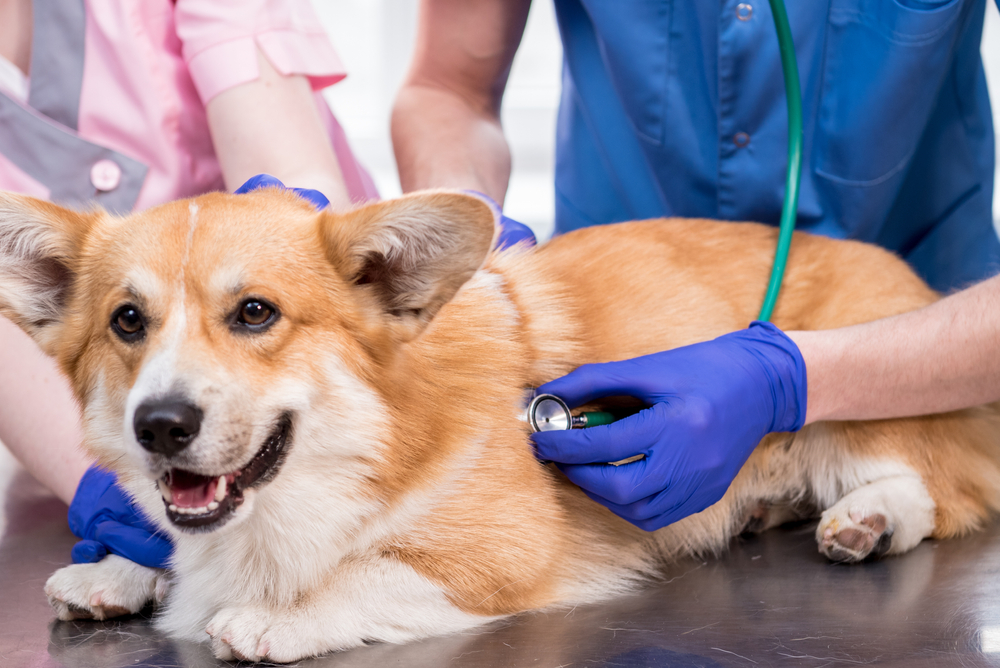
Carry a weak pet to the car rather than letting them walk, since even a trip across the yard asks for oxygen an anemic body can’t deliver. Skip the medicine cabinet too. Never give human pain relievers: aspirin and ibuprofen worsen bleeding, and acetaminophen destroys red blood cells in dogs and is deadly to cats. We handle emergency and urgent care six days a week, and a quick call while you’re on the way lets us have a spot ready.
IMHA and ITP Questions Pet Families Ask Us Most
Can my pet recover, or is this permanent?
Plenty of dogs and cats reach full remission and go back to normal life. The first week or two carries the most risk, and pets who get through that stretch with a rising cell count generally keep improving. Some stay on a low maintenance dose long-term, and some relapse months or years later, which is why we keep rechecking bloodwork even after your pet looks and acts fine again.
How long will my pet be on medication?
Plan on months, not weeks. Immune suppression tapers slowly, guided by blood counts rather than the calendar, and cutting it short is one of the most common reasons a case comes back. Steroids bring side effects along the way, including heavy drinking, more urination, panting, and a bottomless appetite, and those ease as the dose comes down. Never stop or reduce the medication on your own, even when your pet seems recovered.
Could my other pets catch this?
The immune misfire itself isn’t contagious, so your other animals aren’t at risk from your sick pet. The trigger can be a different story. If a tick-borne infection started this, every pet in the house shared that yard and that exposure, so it’s worth screening the others and confirming everyone is current on prevention. Babesia is the exception that also passes dog to dog through bite wounds.
What to Do After a Frightening Blood Panel
A diagnosis like this arrives fast and hits hard, usually on a day that started out ordinary, and early recognition changes the outcome here more than almost anything else. You aren’t sorting out the next steps alone. We’ll show you what the numbers mean, answer the questions that pile up between rechecks, and adjust as your pet responds.
If something seems off today, or you’d simply like a baseline panel on file before you ever need one, book a visit with us at Milford Animal Hospital.






Leave A Comment