


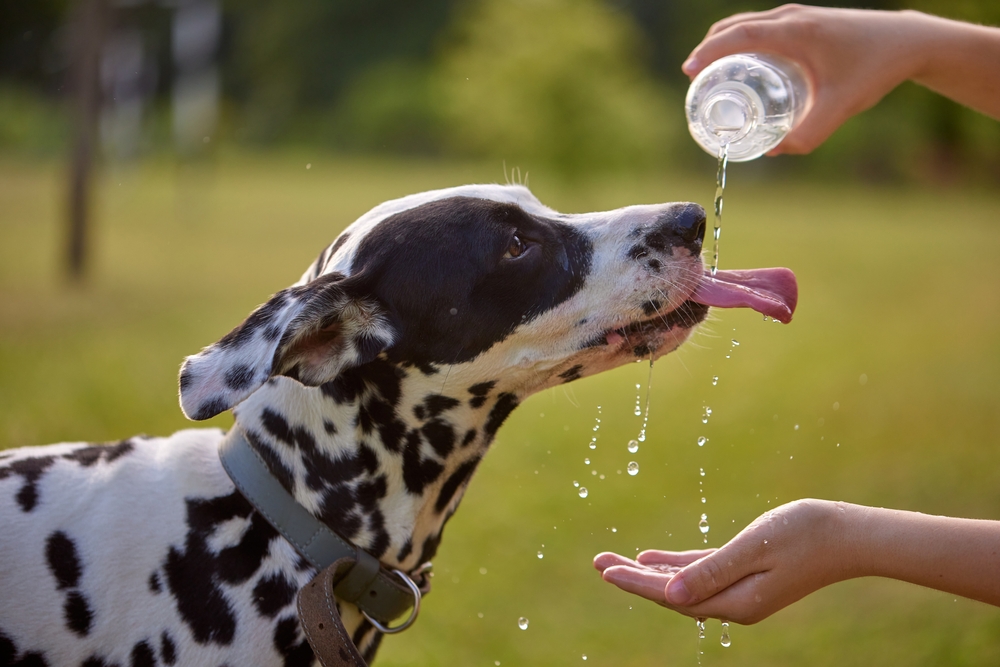
Most dogs and cats in true heat stroke have only fifteen to thirty minutes before internal temperatures rise into the range that injures organs, so cooling must begin at home and continue all the way to the hospital. Soak the belly, groin, and paw pads with cool (not ice cold) water, point a fan at your pet, and head in even if they perk up. The collapse families fear is rarely the worst part of this emergency. What proves more dangerous is the delayed kidney damage, liver enzyme spike, and clotting cascade that can surface hours later in a pet who looked recovered.
At Milford Animal Hospital, we are set up to walk a heat stroke patient through full stabilization with on-site emergency care, advanced diagnostics, and AAHA-accredited hospitalization for pets who need monitored fluid therapy and recheck bloodwork in the hours after the initial scare. We watch closely for the late-onset kidney and clotting problems that often surface long after a dog or cat seems to have cooled down at home. If you want to talk through summer prevention or your pet has had a hot-weather close call, we can take a look. For heat concerns outside our hours, head to the nearest 24-hour emergency hospital first.
The 30-Second Summary
- Heat stroke moves fast, and cooling needs to start at home with cool water on the belly, groin, and paws plus airflow, then continue on the way to the hospital.
- The scariest moment is not always the worst one, because kidney injury, liver stress, and clotting problems can surface hours after a pet seems fully recovered.
- Flat-faced breeds, overweight pets, seniors, and thick-coated dogs and cats overheat faster and need extra caution on warm days.
- Prevention is simple and effective: shade, fresh water, cool-hour walks, indoor comfort during peak heat, and never a pet left in a parked car.
How Do You Catch Heat Stroke Before It Becomes an Emergency?
Heatstroke shows up on a spectrum, starting with heavy, frantic panting and restlessness, then progressing to drooling, weakness, vomiting, and finally staggering, collapse, or seizures as body temperature climbs. Watching gum color and behavior together gives you the clearest read on how urgent things have become.
Catch it early and you have time. The trouble is that the early signs of heatstroke in pets are easy to brush off as simply “being a little hot.” Here is how the picture tends to escalate:
| Stage | What you might see |
| Early / mild | Excessive panting, seeking cool spots, restlessness, warm to the touch, mild drooling |
| Moderate | Thick or ropey drool, bright or brick-red gums, weakness, vomiting or diarrhea, glassy eyes |
| Severe | Wobbly or stumbling gait, bluish or pale gums, collapse, disorientation, seizures, unresponsiveness |
Cats hide distress better than dogs, so open-mouth breathing, drooling, or a cat sprawled flat and unwilling to move deserves attention right away. If your pet is anywhere past the mild stage, treat it as an emergency and start cooling while you head in.
Your First Moves When a Pet Is Overheating
The first move on a heat emergency is active cooling with cool tap water and airflow over the paws, belly, and armpits, never an ice bath or a soaked towel draped over the body, which trap heat instead of releasing it. Fast, calm action in the first few minutes genuinely changes outcomes, so keep these steps in order:
- Move to cool air: Get your pet into shade or an air-conditioned room right away.
- Offer small sips: Let them drink small amounts of cool water if they are alert, but never force it.
- Wet the right spots: Apply cool or tepid (not icy) water to the paws, belly, and armpits.
- Add airflow: Point a fan or the AC at your pet so the water can actually pull heat away.
- Do not overcool: Stop the wet-and-fan cycle once they seem more comfortable, since chilling them too far causes its own problems.
Even if your pet rebounds and looks normal, they still need to be seen. If severe signs appear, call us right away so we can guide you while you are on the way in.
Inside the Hospital: How Do We Bring a Pet Back from Heat Stroke?
Effective heatstroke treatment works in three layers: controlled cooling, intravenous fluids to replace lost volume, and close management of the organ complications that can follow, since the first 24 hours carry a high risk of death. What looks like a single problem at the door is really three jobs happening at once.
Controlled cooling comes first, but the goal is to bring temperature down steadily rather than crash it, because overshooting into hypothermia is dangerous too. Next comes volume replacement: heat stroke pulls fluid and pressure out of the circulation, so IV fluids restore what the body lost, support the kidneys, and help carry heat away from the core. The third layer is watching for and treating the downstream damage, which is where oxygen, medications, and repeat bloodwork come in.
Because we offer critical care during our regular hours, a heat stroke patient can move straight from cooling into monitored treatment without losing time to a transfer.
The Danger That Shows Up After Your Pet Seems Fine
A pet who perks up after cooling can still slide into delayed organ complications affecting the kidneys, liver, heart, and gut over the next 24 to 72 hours. The initial rally is reassuring, but it does not tell you what is happening inside.
Severe heat injures the walls of blood vessels and organs, and the fallout can arrive on a delay. Kidneys can start to fail, liver enzymes can spike, the heart can develop abnormal rhythms, and the gut can shed its protective lining, which sets off the body-wide inflammation known as Systemic Inflammatory Response Syndrome (SIRS). One of the most dangerous of these is disseminated intravascular coagulation, a breakdown in the blood’s clotting system that can lead to internal bleeding in the days after a serious heat event.
This is exactly why we lean on in-house diagnostics and monitoring after a heat scare. Recheck bloodwork, fluid support, and a watchful eye over the following day or two catch these problems while they are still treatable, long after a dog or cat looked like they had bounced back at home.
Which Everyday Habits Keep the Heat from Winning?
Staying ahead of the heat is far easier than treating heat stroke, and it comes down to a handful of everyday habits. The goal is to make overheating unlikely in the first place by managing water, shade, activity, and rest before your pet ever shows a warning sign.
Day-to-day heat safety comes down to steady access to fresh water, cooling mats and damp towels, shaded rest breaks, and catching that first bout of heavy panting before it becomes a problem. A portable water bottle and collapsible bowl make hydration easy on the go, and a tile floor or a damp spot to lie on gives pets a place to shed heat indoors or out. When panting shifts from relaxed to frantic, that is your cue to stop and cool down, not push through. These simple routines are the everyday side of the prevention and wellness care we build with every family.
Reading the Clock Before a Walk or Play Session
Much of preventing heatstroke is timing: walk in the early morning or late evening, dial back the intensity of play, and press the back of your hand to the pavement first, because if it is too hot for you it will burn paws. Midday sun is the riskiest window, so shifting activity to the cooler edges of the day makes the biggest difference.
Pay attention to intensity, not just duration. A high-energy game of fetch generates far more internal heat than a slow sniff-walk, so on hot days, keep sessions shorter and let your pet set the pace. If they lag, seek shade, or start panting hard, playtime is over. To match exercise to your individual pet’s tolerance, we can plan safe activity levels at a wellness visit.
The Parked-Car Rule That Saves Lives
A parked car can hit 120 degrees within 20 minutes on an 85-degree day, and hot vehicles take pets’ lives every summer even when the windows are cracked. That gap barely slows the climb, and heat stress can set in on days that feel only mildly warm to you.
The safest rule is the simplest one: if your pet cannot come inside with you, leave them home. If your pet was shut in a hot car, do not wait to see how they do. Call so we can give you triage instructions on the spot and get them seen the same day.
What Makes One Pet Overheat Sooner Than the Next?
Dogs and cats cannot sweat their way out of a hot day the way we do. They rely almost entirely on panting to move heat out of the body, with only a little sweating through the paw pads, so once the air is hot and humid, their main cooling tool starts to fail. That is why a temperature you find merely uncomfortable can push a pet toward danger.
Some pets start the day with less margin than others. For flat-faced dogs and cats, brachycephalic thermoregulation is already working against them, and carrying extra weight makes it even harder to shed heat through panting. Bulldogs, Pugs, Boxers, and Persian cats have short, narrowed airways that simply cannot move enough air. On top of breed shape, a few other factors raise the risk:
- Coat thickness: Heavy double coats like those on Huskies and Newfoundlands trap heat close to the body.
- Age: Puppies, kittens, and senior pets regulate temperature less efficiently than healthy adults.
- Body condition: Extra body fat acts like insulation and adds to the work of cooling down.
- Underlying health: Heart disease, laryngeal problems, and other airway issues all shrink a pet’s heat tolerance.
Because no two pets handle heat the same way, a plan built around your particular dog or cat matters. For heavier or flat-faced pets especially, weight management and breed-specific counseling can meaningfully lower the odds of a summer emergency.
What Are the Cooling Options for the Cat Who Roams Outside?
Outdoor cat summer safety comes down to multiple shaded water stations, ventilated retreats, and water that gets refreshed often so it stays cool enough to actually drink. Cats roaming a yard or neighborhood need cool options spread across the areas they use, not just one bowl by the door.
Set out several water sources in shady spots and top them off through the day, since standing water warms quickly and gets ignored. A ventilated shelter, a covered porch, or a supervised catio gives an outdoor cat a place to escape direct sun during the hottest hours. Keeping cats in at midday, when you can, cuts sun exposure and gives them a cool place to wait out the peak.
Making Indoor Days Feel Good, Not Boring
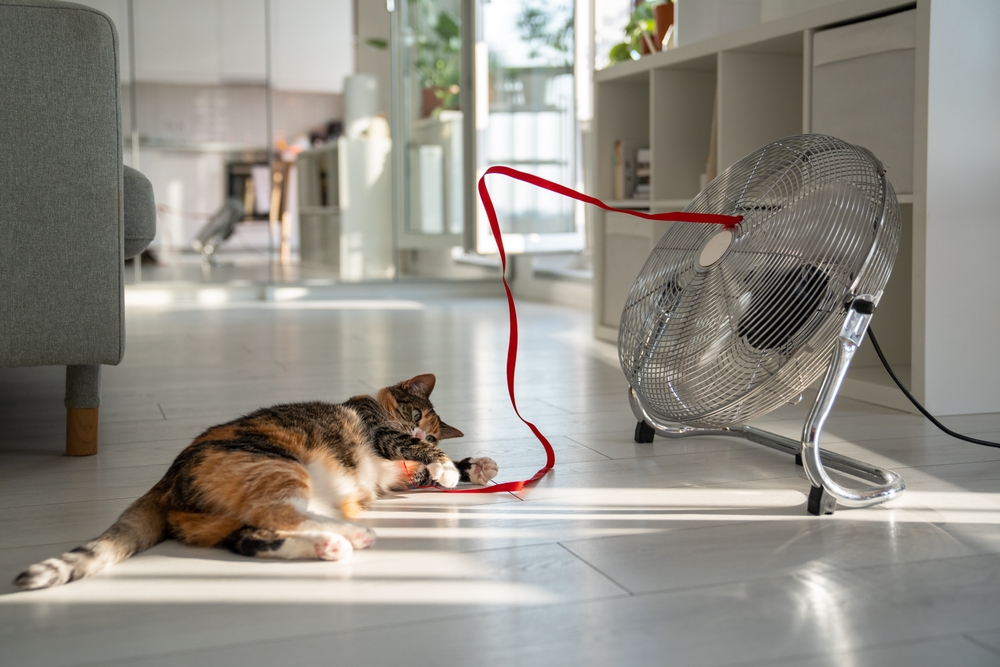
Indoor comfort during a heat wave means air conditioning or fans, access to cool flooring like tile, shaded resting spots away from sunny windows, and low-key enrichment that keeps pets busy without heating them up. The aim is to make staying in feel good, not boring, so pets are content to settle in through the hottest part of the day.
When it is too hot to go out, summer boredom busters like scent games and puzzle feeders keep pets engaged without the running and roughhousing that drives body temperature up. A few DIY enrichment toys made from things already in the house, like a towel roll hiding kibble or a frozen treat, give dogs and cats something to work on while they lounge in the cool.
Heat Safety Questions Pet Families Ask Us Most
What temperature is too hot for my dog or cat?
There is no single cutoff, because humidity, coat, breed, age, and health all shift the line. As a general guide, caution rises above the mid-80s Fahrenheit, and flat-faced, overweight, senior, or thick-coated pets can struggle well below that. When in doubt, keep activity light and stay near shade and water.
Humidity matters as much as the number on the thermometer, since damp air makes panting far less effective. On a muggy day, treat a lower reading with the same care you would a hotter, drier one.
Can I give my overheated pet ice water or an ice bath?
Skip the ice. Very cold water and ice baths make the surface blood vessels clamp down, which traps heat in the core and can drop temperature too fast. Use cool or tepid water on the belly, groin, armpits, and paws, paired with a fan, so heat releases steadily. Offer small amounts of cool drinking water only if your pet is alert, and never force water into a wobbly or unresponsive pet.
My pet cooled down and seems normal now, do we still need a vet?
Even a pet who cooled down and seems normal still needs a veterinary visit, and this is the part families most often underestimate. A pet can look fully recovered while kidney, liver, heart, or clotting problems quietly develop over the next one to three days. Having a veterinarian check bloodwork and monitor after any real heat episode catches those delayed complications while they are still very treatable. A quick evaluation is worth the peace of mind, even when your dog or cat seems completely back to normal.
Your Partner for a Cool, Worry-Free Season
Heat stroke is a true emergency, but it is also one of the most preventable ones, and a little planning keeps the season enjoyable for everyone. Recognizing early panting, adjusting activity to the cooler hours, keeping water everywhere, and making indoor spaces comfortable all add up to a safe summer. When a scare does happen, fast cooling and prompt care save lives.
If you would like a plan tailored to your pet’s breed, age, and health, schedule a summer safety check with us at Milford Animal Hospital. If your pet has a hot-weather close call during our regular hours, reach out for our AAHA-accredited emergency and critical care for dogs and cats in Milford.



Leave A Comment